Urban Wildlife Information Network

A global network of researchers using replicable methods to better understand wildlife ecology and make cities better places for humans and wildlife.

Founded in 2017 at Lincoln Park Zoo's Urban Wildlife Institute
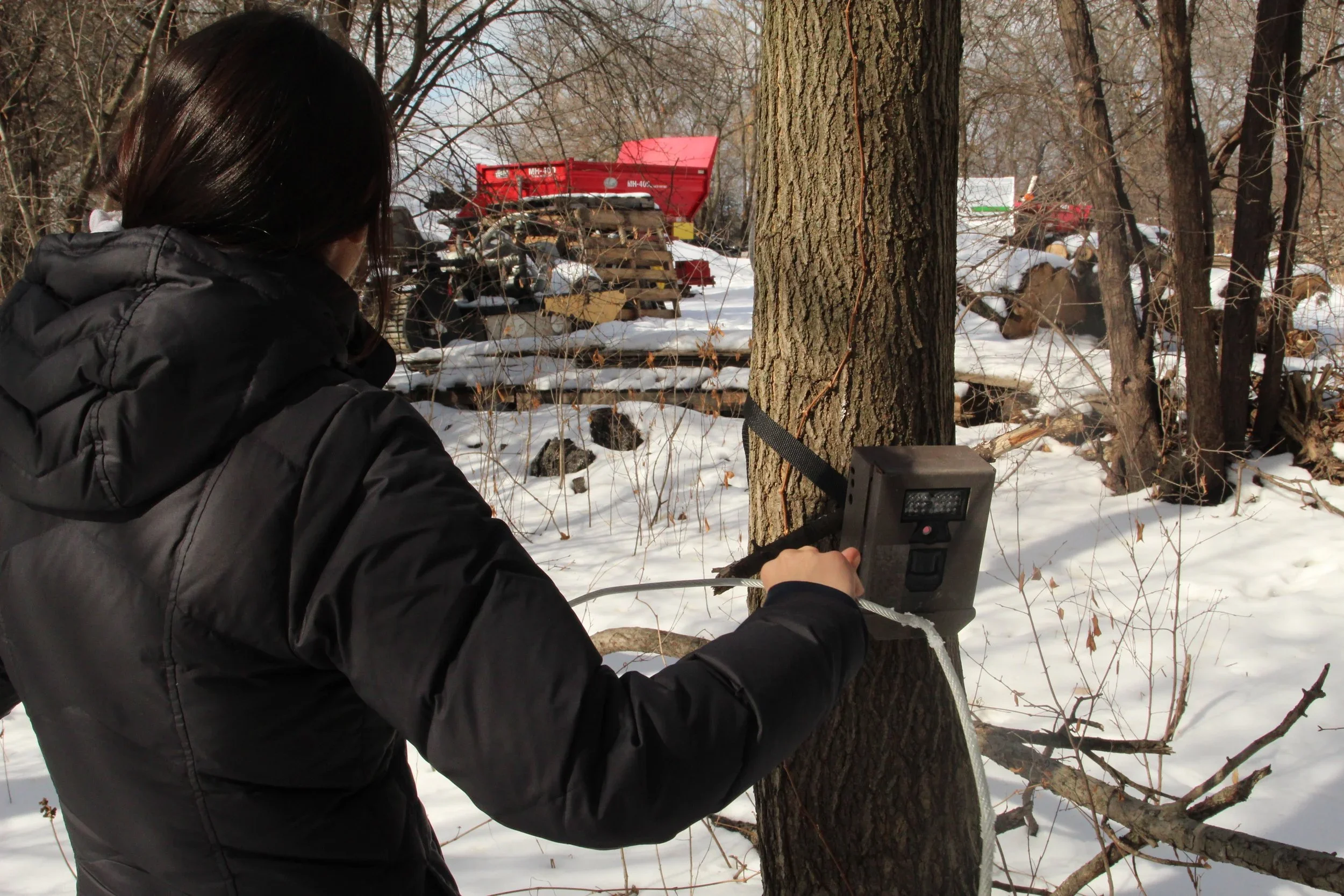
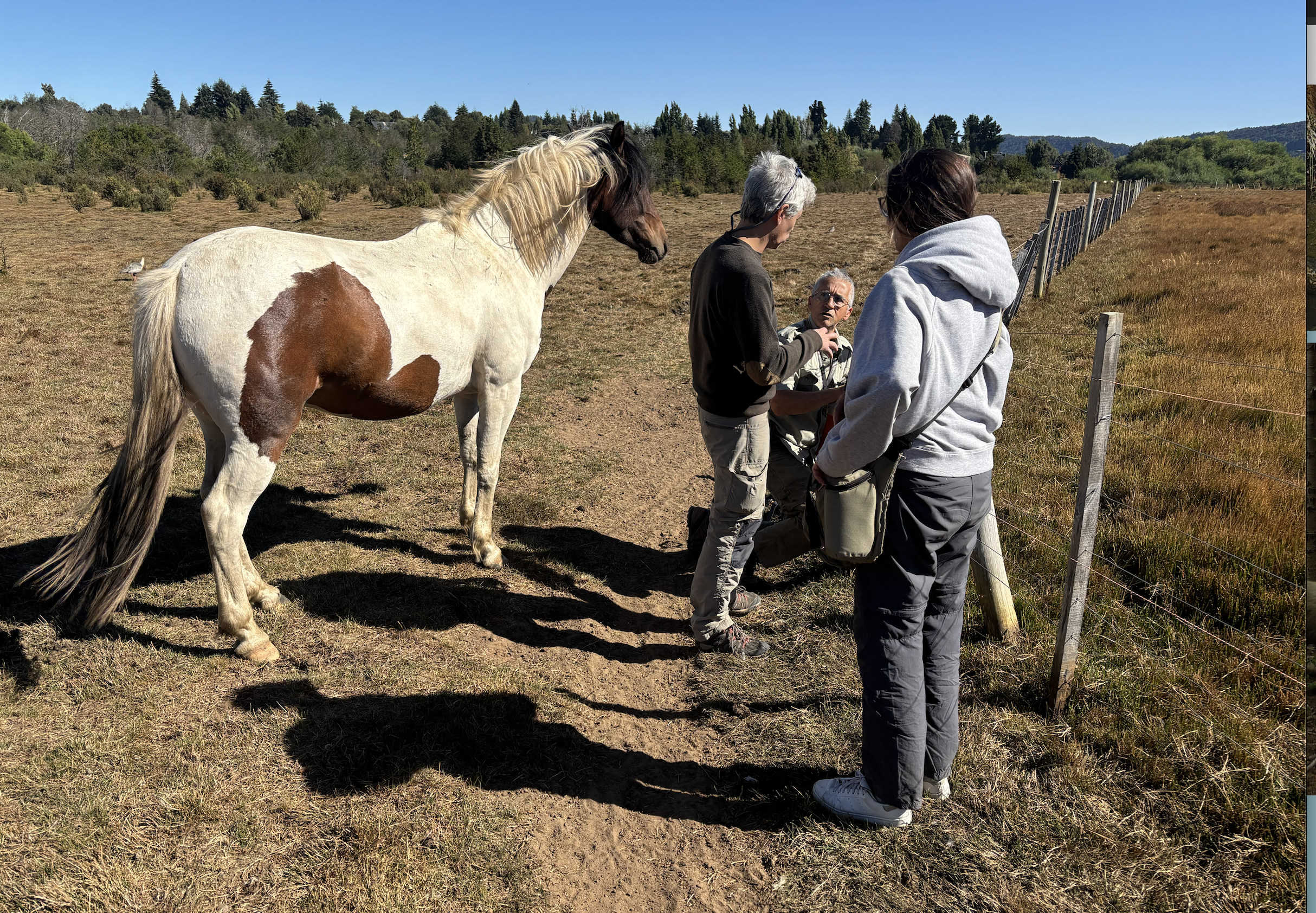
An intern setting up a UWIN camera trap

4000 +

Engaged Students

30+

Peer Reviewed Publications
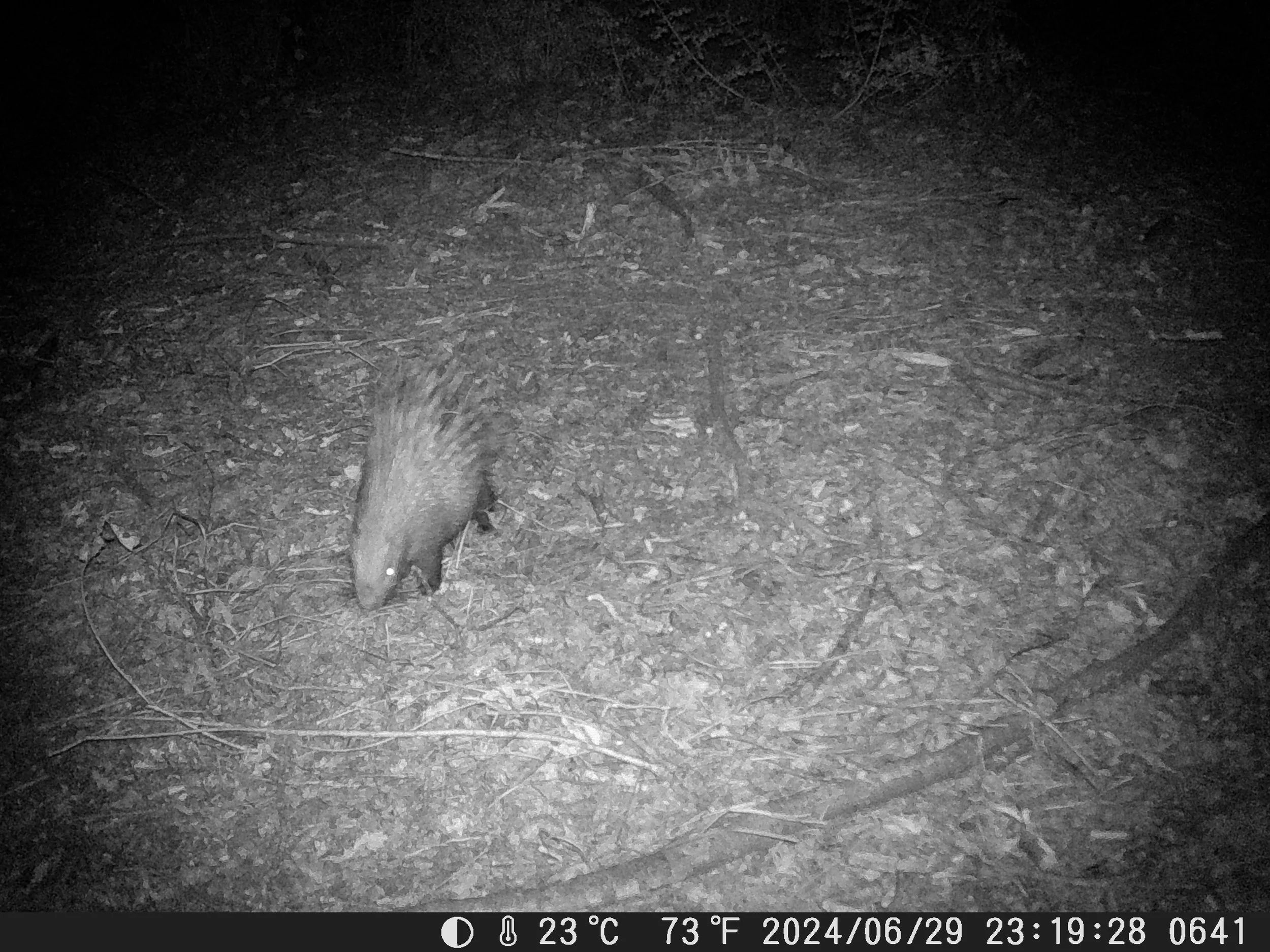
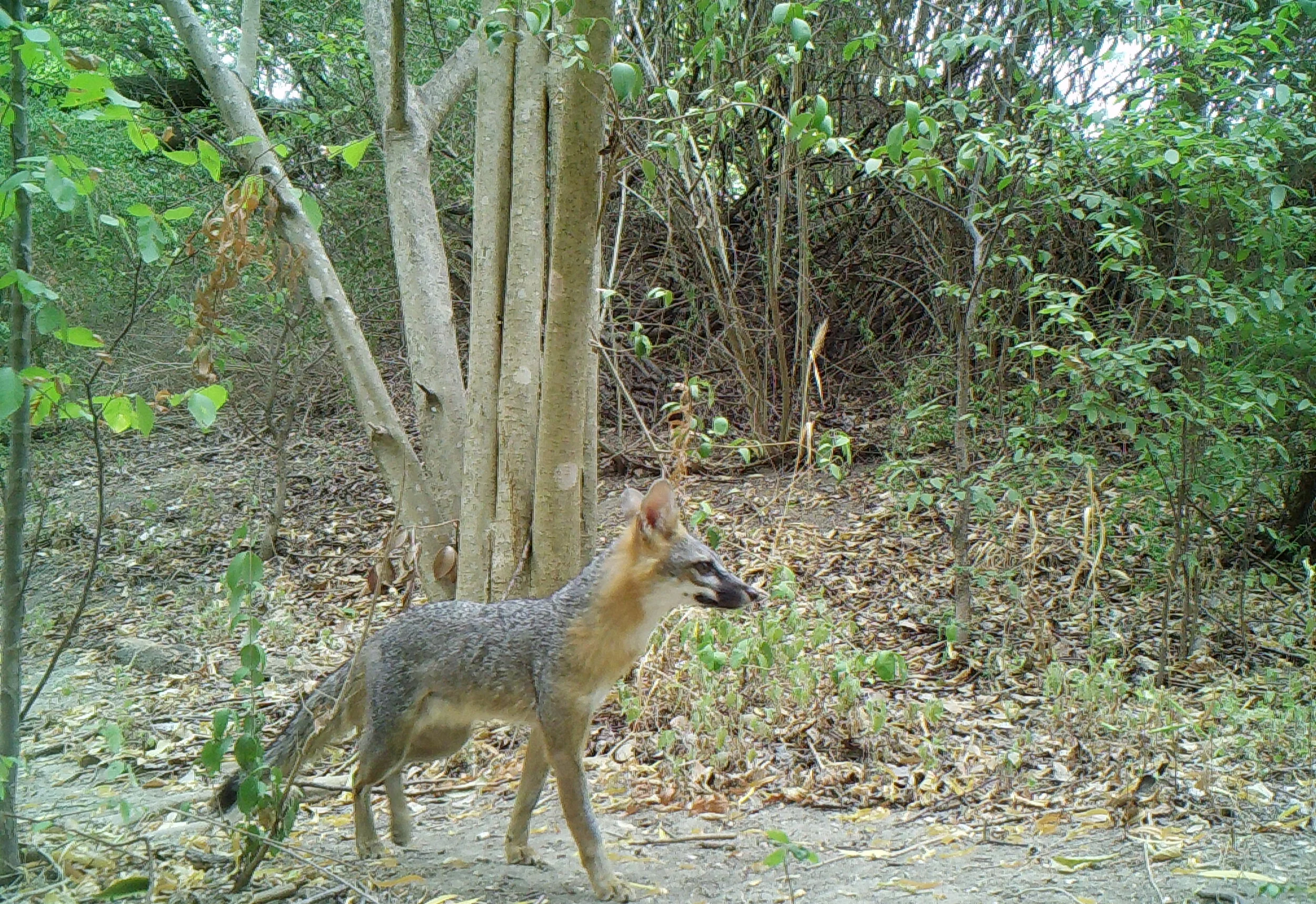
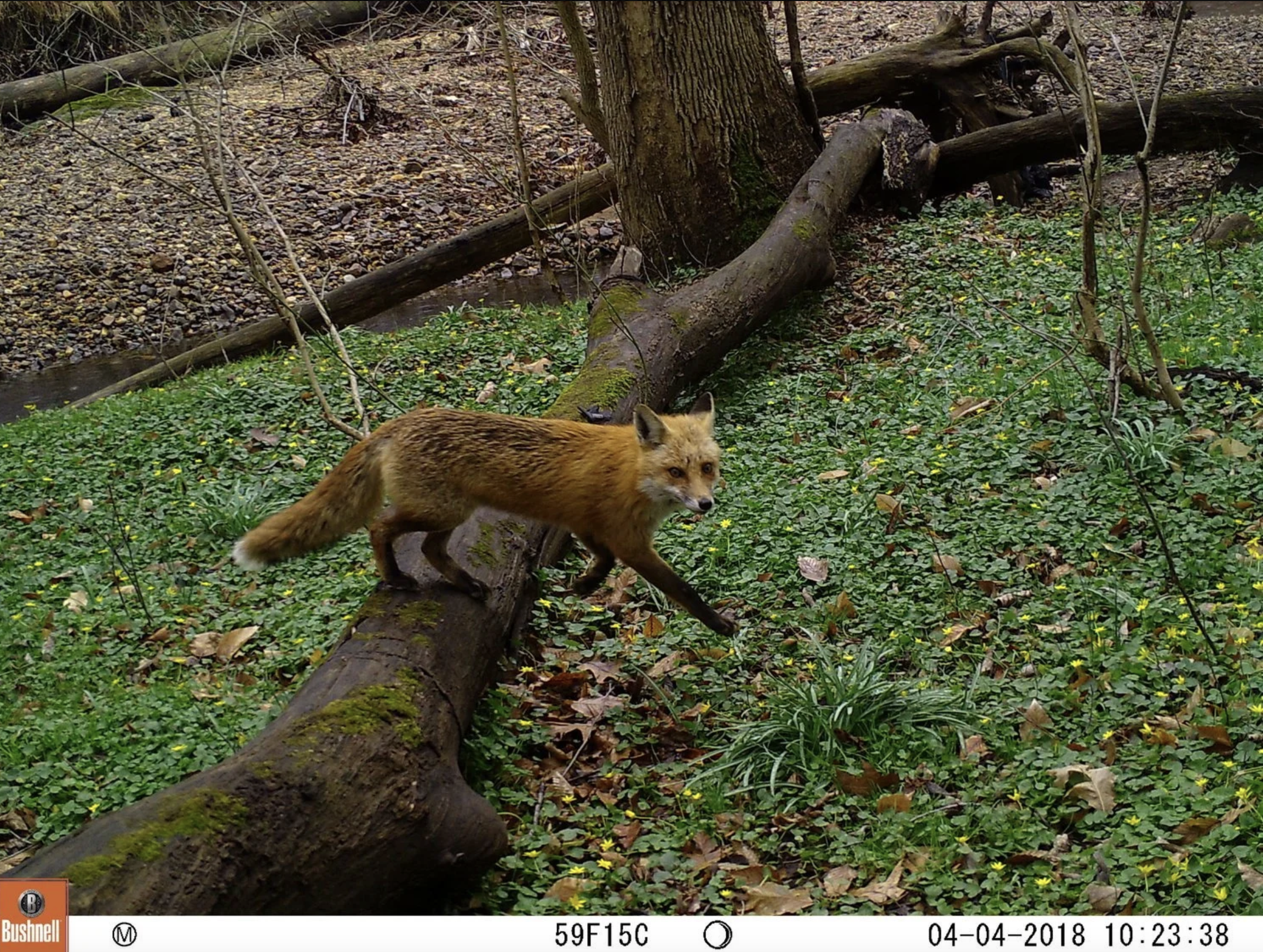
WIldlife Camera Trap Image from UWIN Database

8.4 Million

Images Uploaded to the UWIN Database

World’s

Largest Urban Wildlife Dataset
wildlife ecology monitoring sites

1500+

Active Monitoring Sites

Understanding wildlife
in an urbanizing world

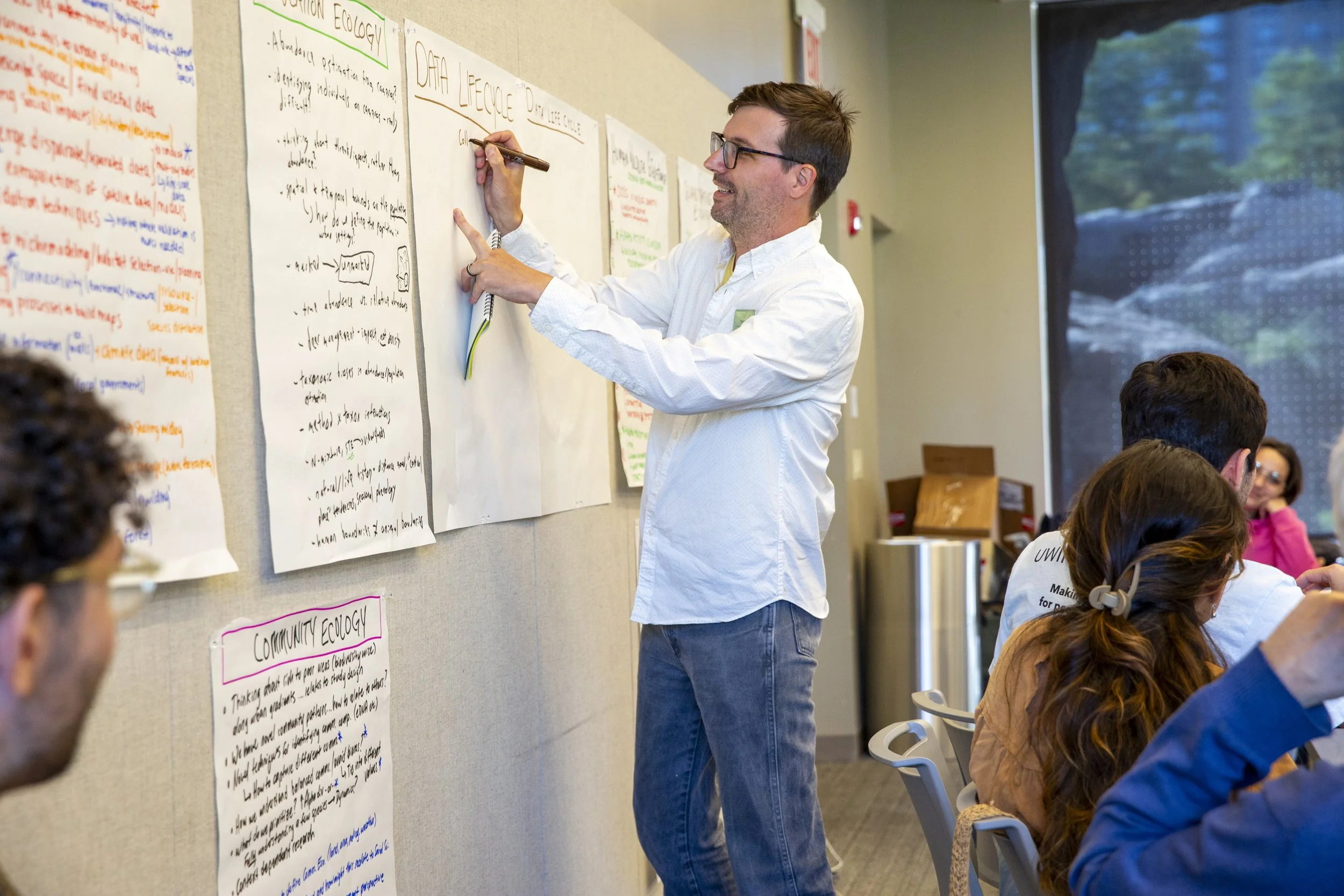
Founded in 2017, UWIN fosters collaboration across disciplines, and works to apply research findings to conservation, urban planning, design, and management. Partners of the network are experts in disease, landscape, and wildlife ecology, habitat management, education, and more.

Our wildlife monitoring protocols were first created at Lincoln Park Zoo’s Urban Wildlife Institute to understand the ecology and behavior of urban species. By continuing to develop and grow these methodologies with experts in UWIN, we can compare data throughout the network to understand differences and patterns in animal ecology and behavior.

UWIN uses this information to provide city planners, wildlife managers, and researchers with the tools needed to make cities part of the solution to the biodiversity crisis.
  • "UWIN has truly revolutionized urban wildlife research. Not only is it one of the most successful large-scale research collaborations that I'm personally aware of, producing dozens of highly impactful research articles, but it has also catapulted the careers of many of its members. I know I would not be where I am today without joining UWIN, and it remains one of the best academic decisions I have ever made, not only for me, but also for my students."

    — A.G, Research Professor

  • "UWIN finds its strength in being an open, collaborative research network that standardizes collective urban wildlife research while allowing individual researchers to pursue their own unique questions. It's flexible while being scientifically rigorous at the same time. Its vast geographic footprint allows greater questions about humans and wildlife to be asked and answered in a way that no one research lab could, and its deep pool of highly competent research scientists is always eager to support new research questions."

    — J.W, Conservationist

  • "Participating with UWIN helped me expand my ability to contribute to ecological research within my Park Ranger role and made me feel more connected to my passion for wildlife ecology. Later on, I used UWIN partner data to study the occurrence of coyotes and gray foxes across different land cover types throughout the United States. UWIN's vast network and resources allowed me to complete a masters thesis without any funding."

    — D.G, Doctoral Student

  • "Joining this group in 2019 has been the best decision and most impactful on my now 20 year career. It has provided me a "new" start through the foundational network and support this groups provides to justify both to myself and my administration that this growing subdiscipline is important not only to large metropolitan cities in more populous states but mid to smaller cities in more rural states. The collaborations and professional friendships developed during this time have been career and life-changing. I will be forever grateful to the UWIN team!"

    — A.R, City Lead

  • "Being a partner at UWIN has allowed me to develop research at a much more efficient rate. For example, the incorporation of the UWIN sampling protocols made decision-making easier when starting out with the camera traps. The interdisciplinary scientific collaborations established with UWIN colleagues have also led to more robust interpretation of our results and to a faster development of future research ideas by combining strengths in terms of methodological expertise."

    — T.C, Postdoc Student

  • "Since 2020, 29 undergraduate students from Hendrix College have worked on the Central Arkansas Urban Wildlife Project, the Little Rock node of UWIN. Through managing cameras in parks, tagging photos, and asking individual research questions using our dataset, which they then present the results of at regional and national conferences, they develop skills that propel them into the next phase of their careers. These students have gone on to graduate school, ecological consulting jobs, veterinary school, field technician positions, and more. Thus, UWIN provides opportunities for student development alongside revealing the patterns and processes of wildlife ecology in our cities."

    — M.C, Professor