UWIN Research
Research that moves the field
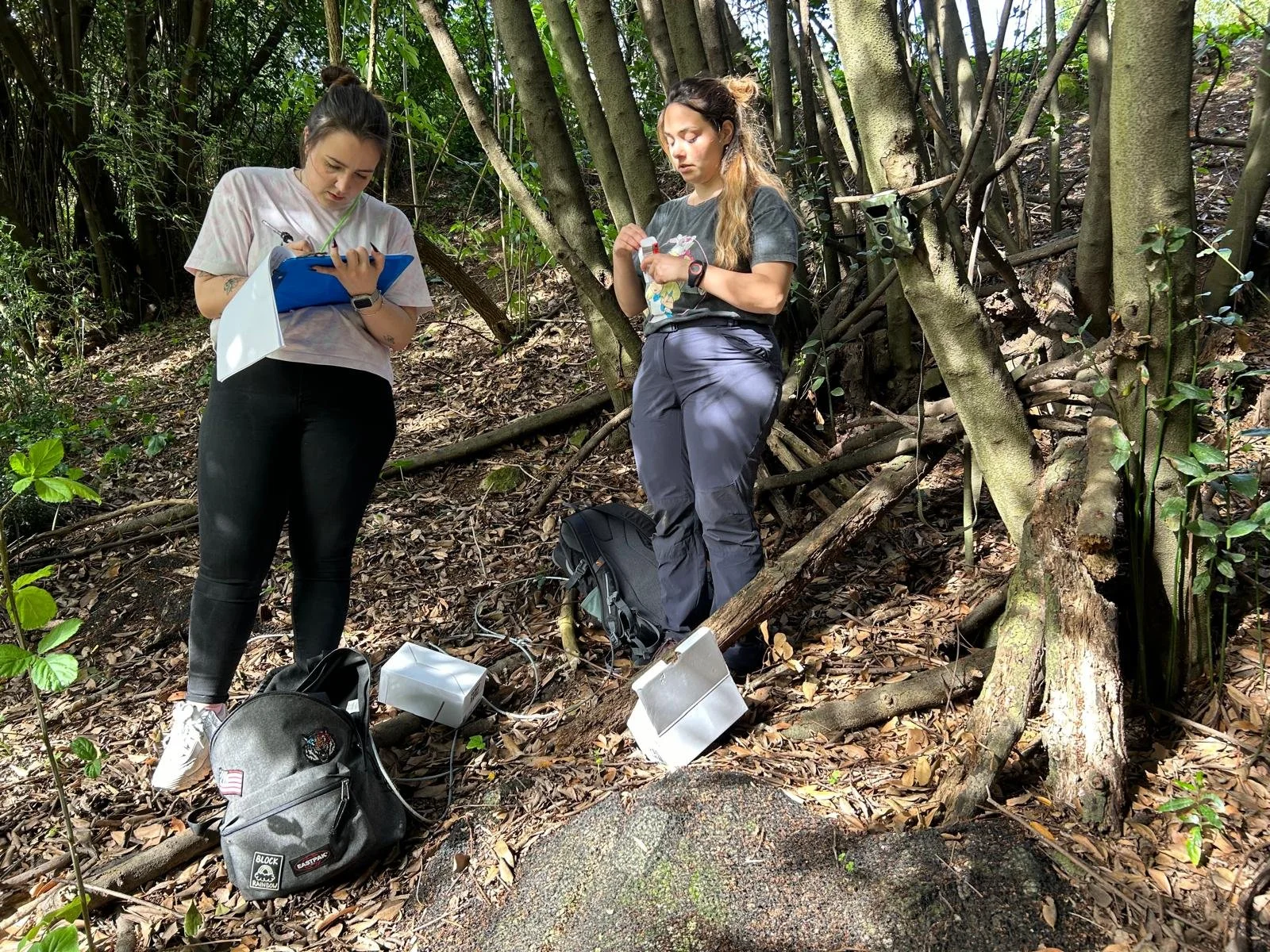
UWIN members have published over 30 peer-reviewed articles using UWIN data, with many more either in review or in preparation. This research has greatly expanded our knowledge of urban wildlife ecology, which is crucial for the development of effective conservation strategies and policies to mitigate the negative impacts of urbanization on biodiversity.
UWIN uses this information to provide city planners, wildlife managers, and researchers with the tools needed to make cities part of the solution to the biodiversity crisis.
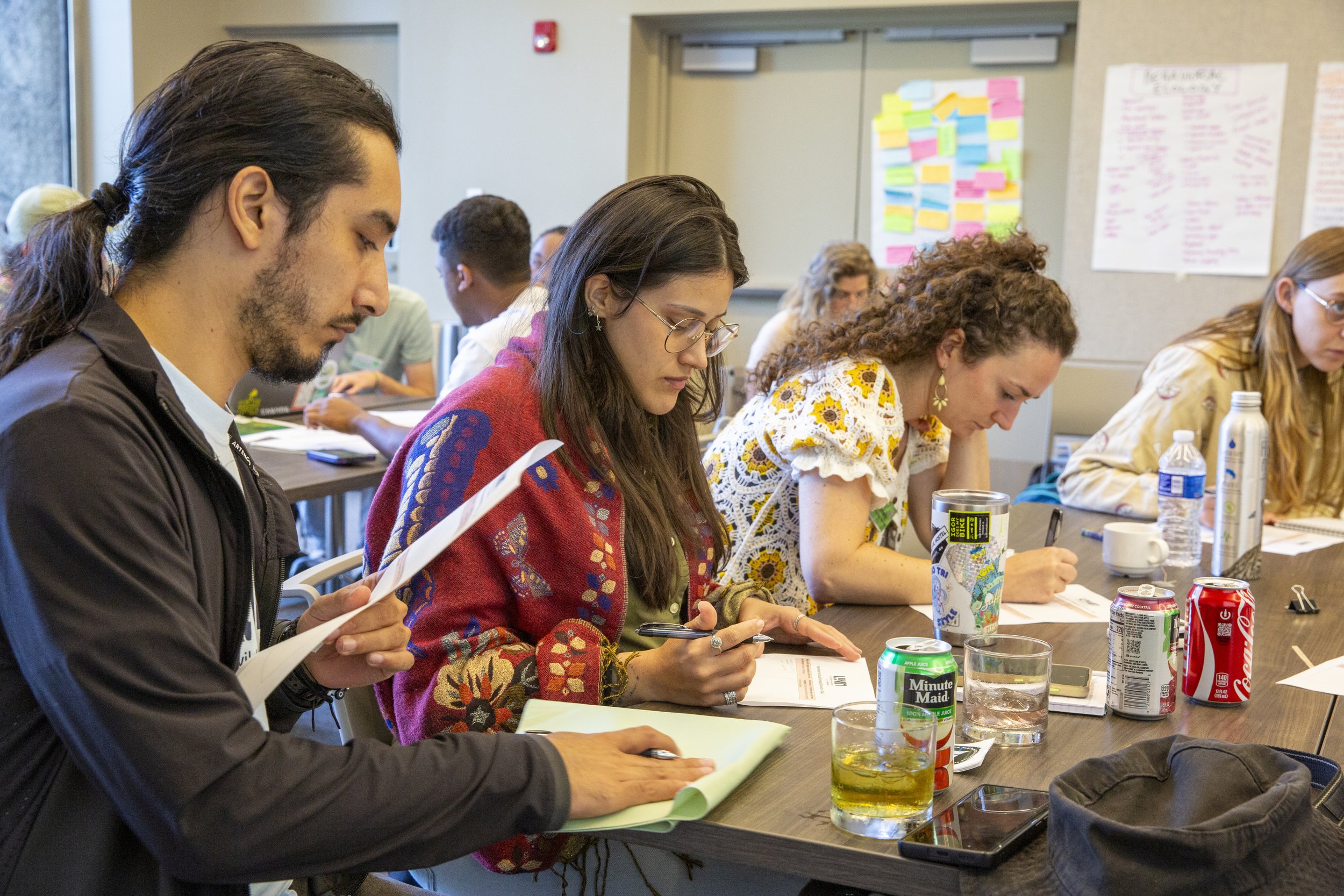
Network members are not only researchers. They also include educators, urban planners, designers, and social scientists, underscoring the importance of cross-disciplinary collaboration in effective conservation.
UWIN has also provided opportunities for over 4,000 students at the undergraduate and graduate level to engage with wildlife research, helping train the next cohort of wildlife biologists.

Featured Themes
Urbanization and Impact on Wildlife Communities
How does urban intensity shape which mammals are present? Research across multiple North American cities examines how urbanization gradients from city cores to suburban edges predict mammal community composition, and how co-occurrence patterns vary with landscape context and cannot be understood without accounting for each species' own habitat associations.
Diel Activity & Temporal Behavior
When are urban mammals active, and does urbanization shift those patterns? Studies have examined how mammals adjust their diel activity across urban gradients, and how the role of time-of-day must be accounted for in occupancy models applied to human-modified landscapes - where the standard assumption of constant detection probability may not hold.
Diversity, Wealth & Gentrification
Research across many US cities has examined how neighborhood-level socioeconomic conditions - including per capita income and gentrification status - relate to mammal species diversity and community composition. These studies connect patterns of urban biodiversity to broader questions of environmental equity: who in a city lives alongside wildlife, and who does not.
Conservation Planning & Policy
Translating urban wildlife research into practice requires bridging ecology and city planning. Work bringing together urban ecologists, planners, and landscape designers has surfaced practical and institutional barriers to wildlife-inclusive urban design, while the multi-city UWIN collaboration has demonstrated what coordinated, standardized monitoring can achieve at scale.
Human-Wildlife Conflict
Human-wildlife conflict in cities is not random - it has spatial and temporal structure that can be modeled and anticipated. By integrating wildlife ccupancy data with conflict records, researchers have developed frameworks for identifying where and when conflict is most likely, enabling proactive management strategies rather than reactive ones.
One Health
One Health is an integrated approach recognizing that the health of people, animals, and the environment are deeply interconnected. UWIN's One Health committee facilitates multi-city projects at this intersection, currently developing methodologies to survey tick diversity, abundance, and tick-borne pathogen prevalence across participating cities.