
Outreach
Our objective is to get UWIN research techniques, processes, and findings out to the general public in hope of fostering a greater appreciation for urban wildlife.
Though the Urban Wildlife Information Network (UWIN) was originally founded as a data sharing collaboration, it also provides ample opportunity for education initiatives. The network aims to instill an atmosphere of shared learning through community science projects, educational programming, and outreach that connects communities to their local wildlife.
Currently, partners use UWIN data in a variety of outreach projects, ranging from undergraduate coursework, to camps for middle schoolers, to adult education series. As a member of UWIN, you will get access to our repository of data-driven educational programming and resources for a variety of age groups. Educational material intended for K-12 audiences follow Next Generation Science Standards, with a few exceptions. We aim to foster diversity and inclusion within the sciences through hands-on experiences and leadership opportunities.
Ongoing Projects
Seneca Park Zoo | Urban Ecology Program
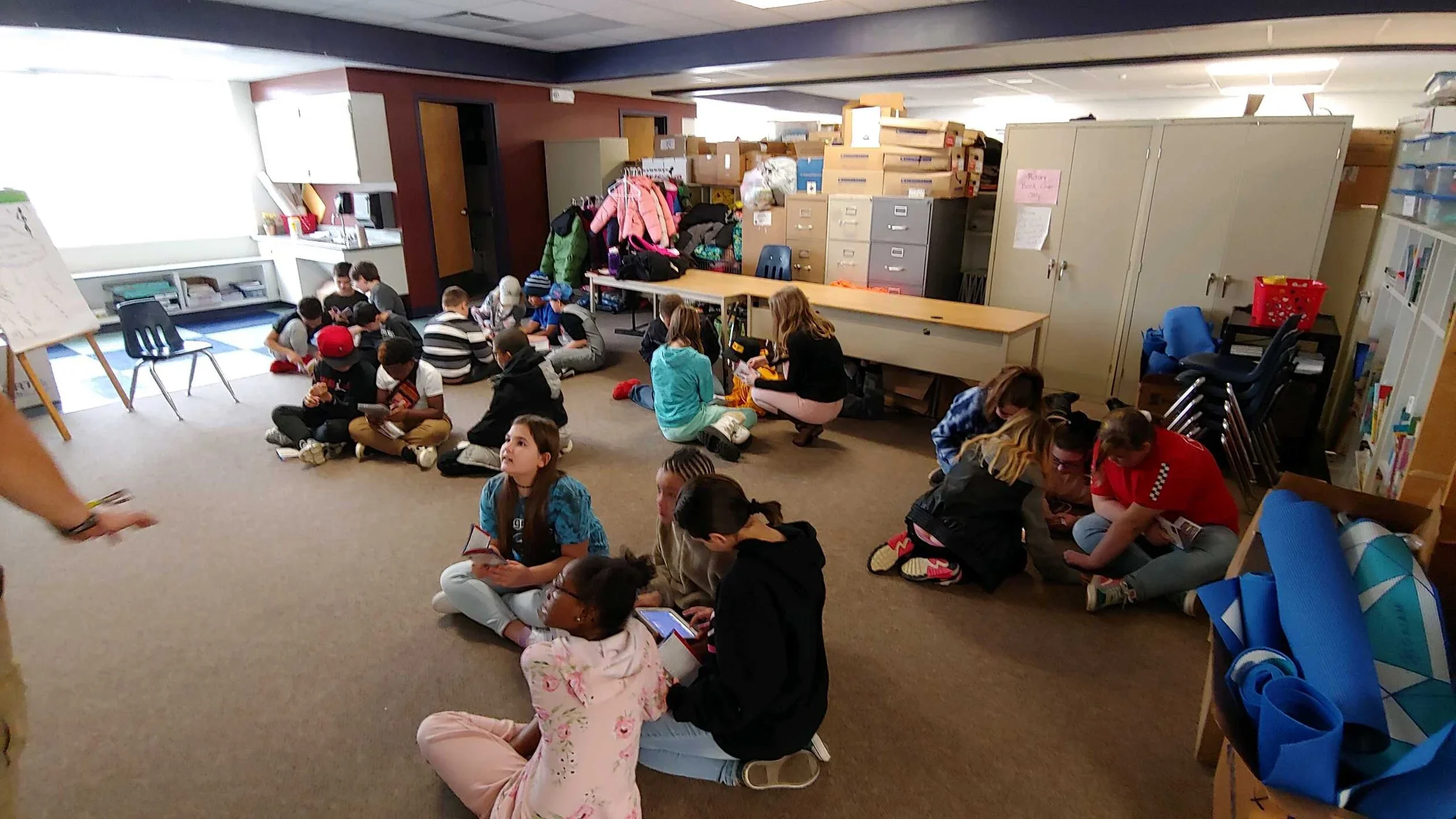
We provide a program where students from grades 3 -12 can learn about local biodiversity in and around our city including why biodiversity is important and how we gathered this information using trail cameras.
We give students the opportunity to identify a series of photos using field guides we provide to personally discover what wildlife lives in the Rochester area. We hope to instill a sense of stewardship and curiosity of the natural world in these students. This program includes Next Gen and New York State Learning standards for grades 3 to 12 and is a great addition to many curriculum being taught in schools.
Wasatch Wildlife Watch | Sageland Collaborative
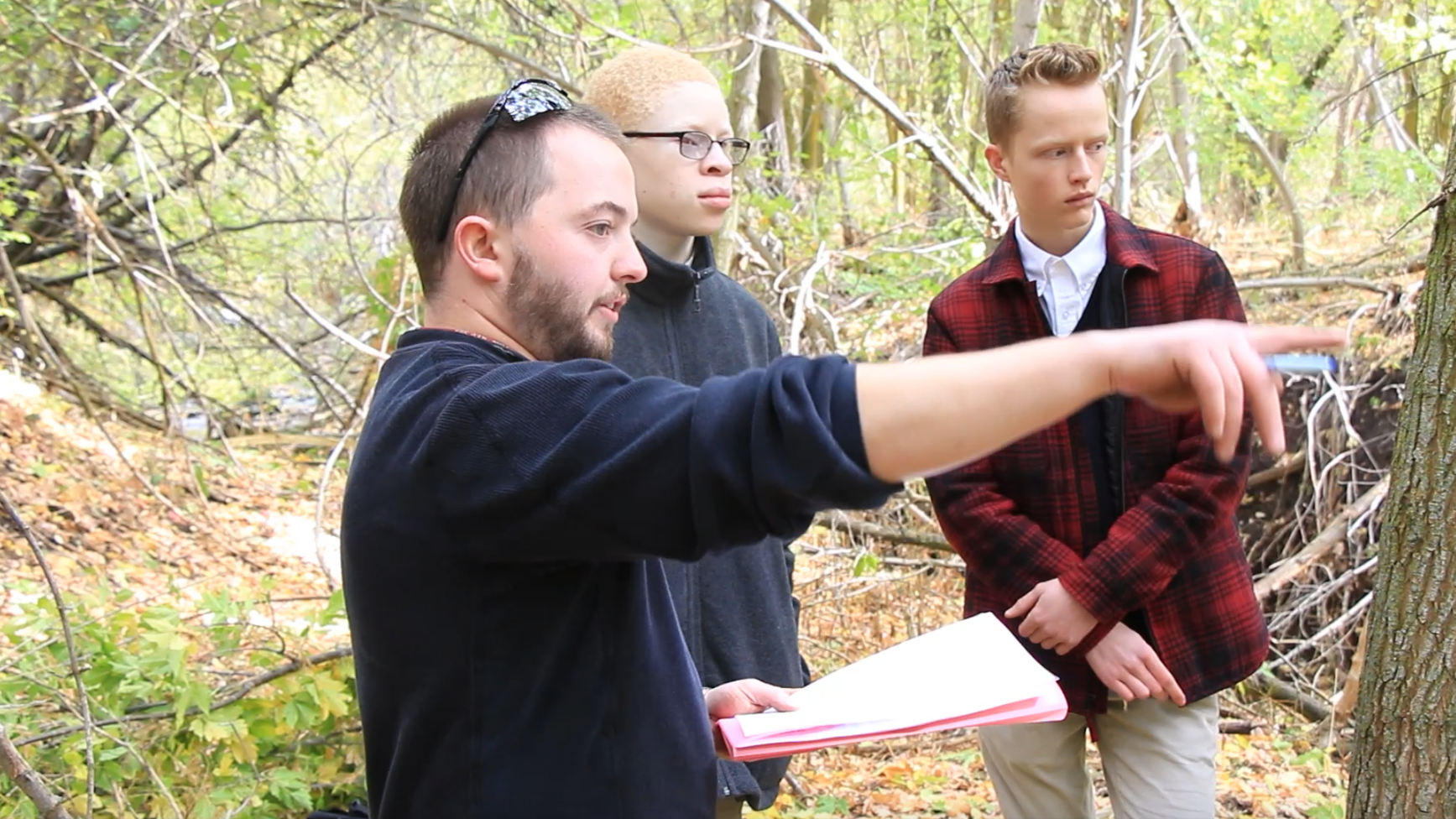
Wasatch Wildlife Watch is a UWIN collaborator based in Salt Lake City, Utah. The project operates 250 camera stations per year using a community science base of nearly 450 people. Each year, new and past participants attend a full-day training at the Natural History Museum of Utah to learn the ins-and-outs of setting up and maintaining a research camera trap station. This training includes both in-house training on study protocol and camera-trap best practices, as well as an outdoor-based training with an in-the-field pass off process for each team.
Wasatch Wildlife Watch also houses an online community science data entry website on the program Zooniverse. This website allows anyone from anywhere to contribute to the data-entry portion of the project.
We have created lessons and nature trips for university classrooms, local K-12 schools, and marginalized communities like the Utah State Penitentiary and juvenile delinquency centers through the University of Utah’s INSPIRE and STEMCAP programs.”
Lincoln Park Zoo | Partners in Field Work
Partners in Fieldwork is a year-long program that engages high school youth in Lincoln Park Zoo research projects. Students work with their teachers to collect data on local wildlife at their school using the same non- invasive techniques researchers use, including camera traps, bird surveys, and acoustic bat monitors.
Teachers and students receive all of the training needed to successfully participate in the program. This includes two teacher professional development workshops, four school site visits, two field trips, and a final event where select students present their findings to family members, zoo researchers, and other participating schools. Students gather and enter data year round and the teacher serves as the point of contact for program leads. The data collected is included in Lincoln Park Zoo’s UWIN dataset.
Lincoln Park Zoo | Chicago Wildlife Watch
Lincoln Park Zoo’s Urban Wildlife Institute has collaborated with The Adler Planetarium's Zooniverse program to build Chicago Wildlife Watch where they invite public members to identify wildlife from motion-triggered camera stations around Chicagoland's city parks, forest preserves, golf courses and cemeteries.
Contributions from Chicago Wildlife Watch inform research lead by the Urban Wildlife Information Network and is used to build biodiversity reports for collaborating landowners and managers.