Get Involved With UWIN
How to Get Started
1. Review Protocols
Review this page and explore UWIN's standardized research protocols for camera trapping, acoustic monitoring, and tick sampling. Staff will help determine which methods align with your project goals.
2. Reach Out to UWIN
Next, share your research goals, location, and how UWIN might support your urban wildlife work. Contact us here.
3. Design Your Study
Work with UWIN staff to adapt the sampling framework to your city's unique characteristics. We’ll assist with site selection, equipment recommendations, and tailoring protocols to your local landscape and community.
4. Start Collaborating
Begin collecting data and gain access to the UWIN database, training resources, and a collaborative community of researchers tackling global urban wildlife questions.
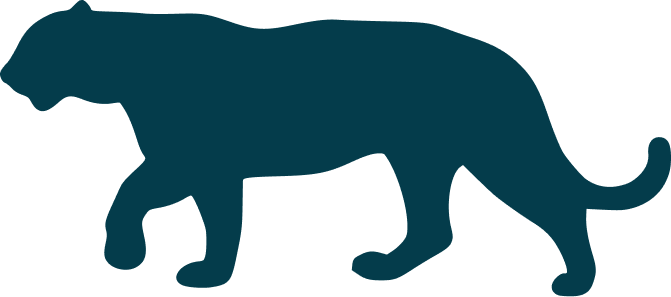
“UWIN lets us take an enormous step towards understanding why wildlife live where they live, not just in one spot, but anywhere.”
- - Seth Magle, Senior Director, Urban Wildlife Institute
Research Protocols
UWIN protocols are designed to capture variation in species ecology and behavior across a gradient of urbanization. Network staff work directly with partners to adapt these frameworks to their unique communities.
Please note, partners are welcome to implement one or more of these protocols and there is no requirement to participate in all of them.
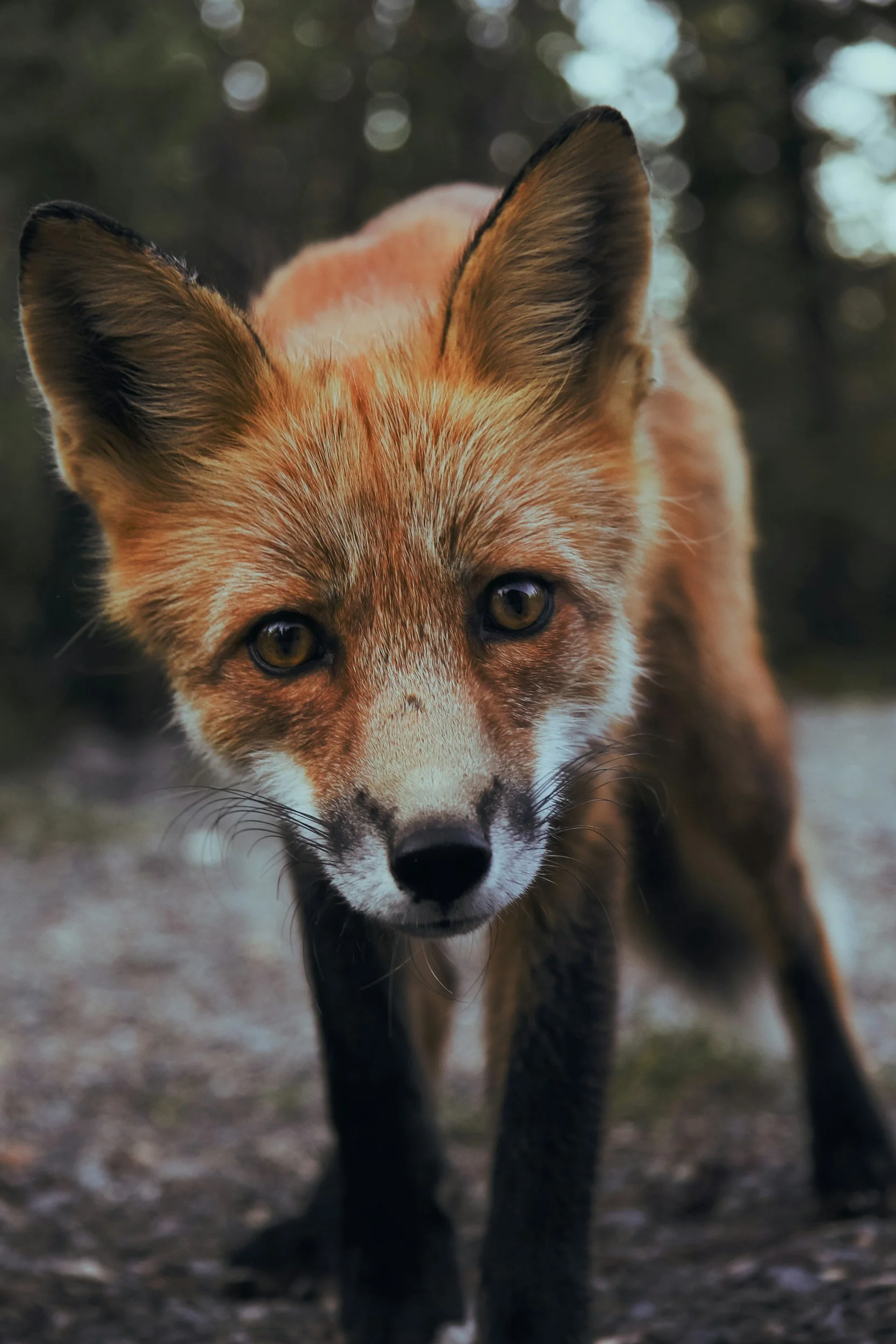
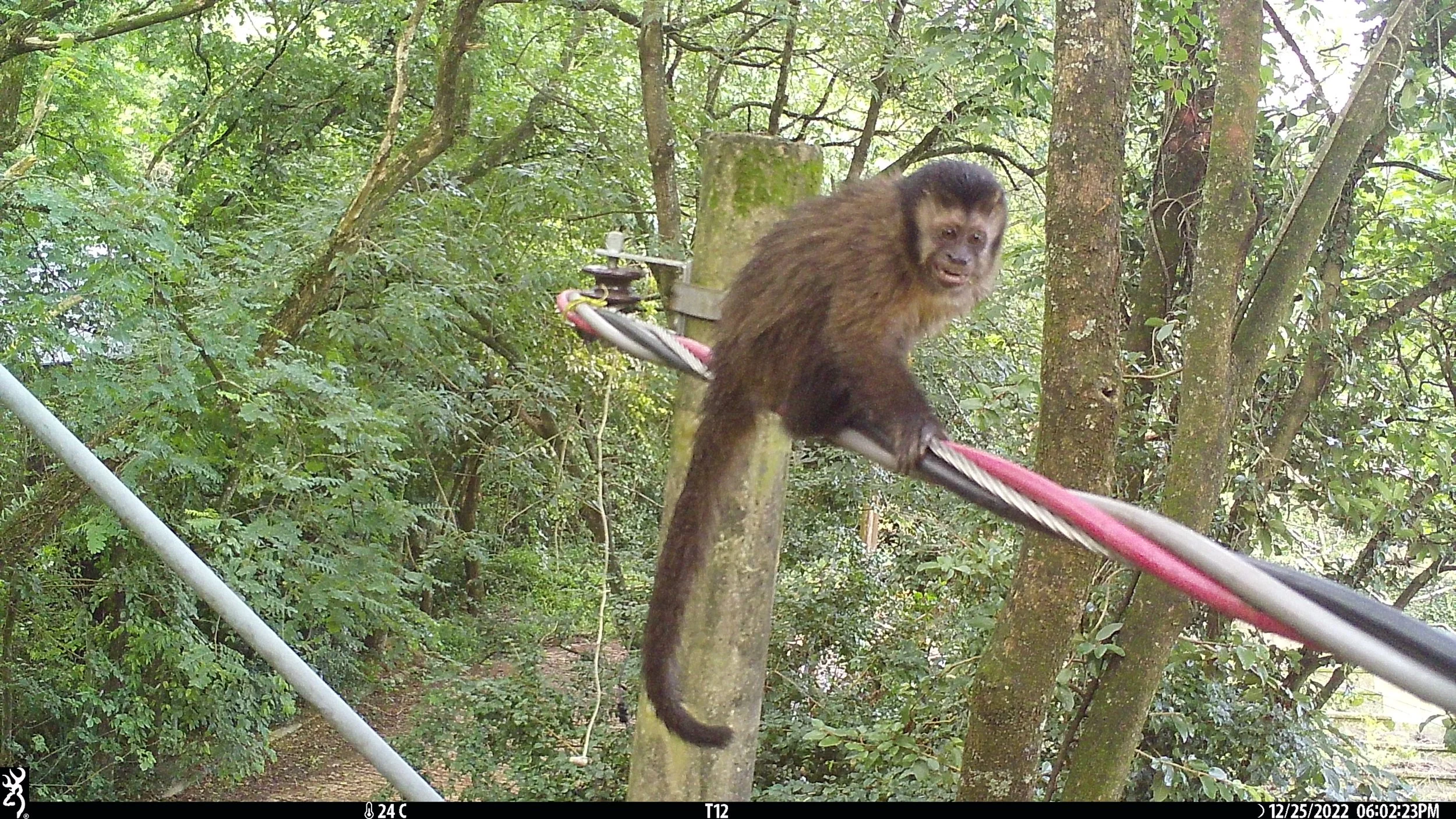
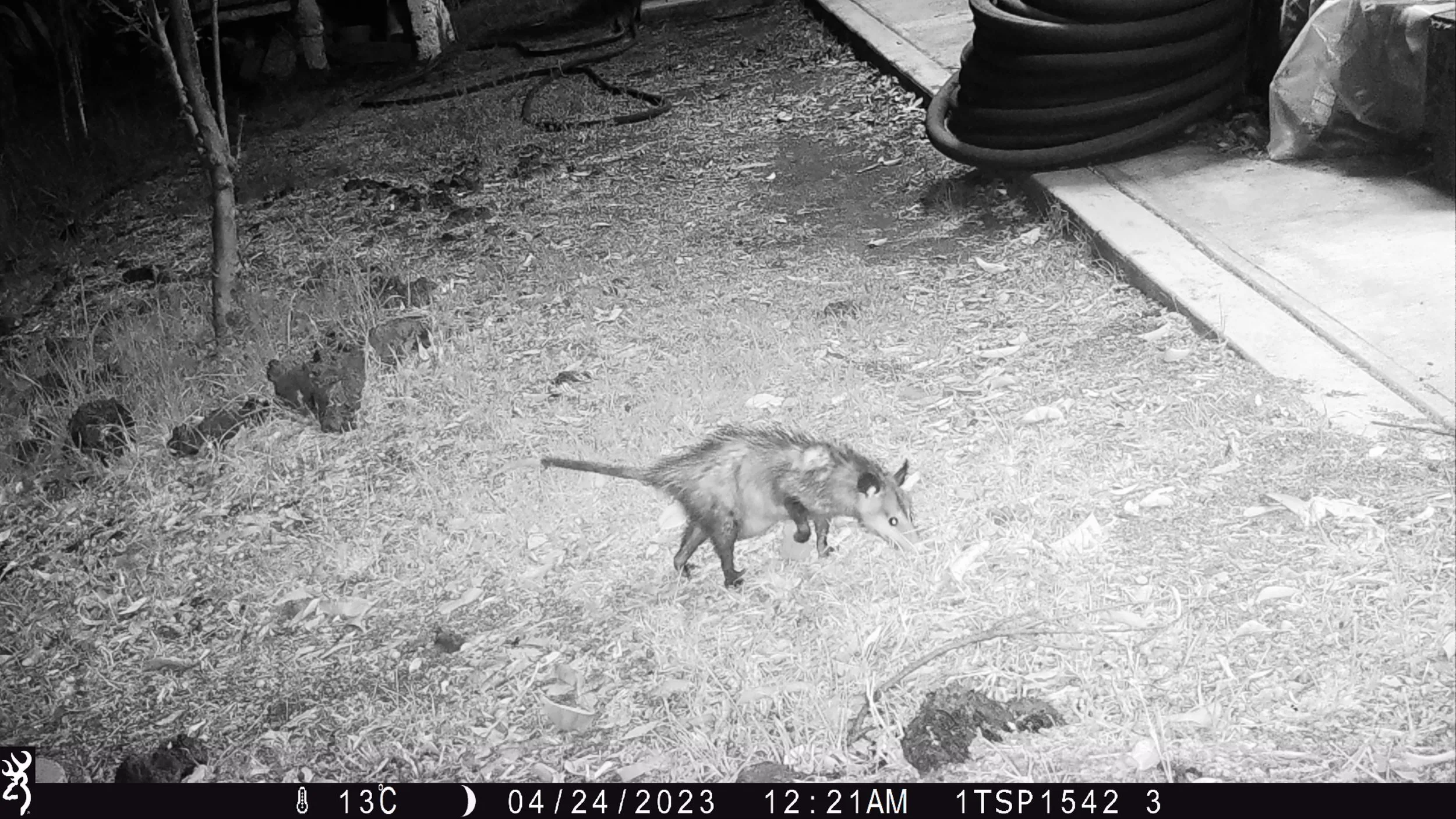
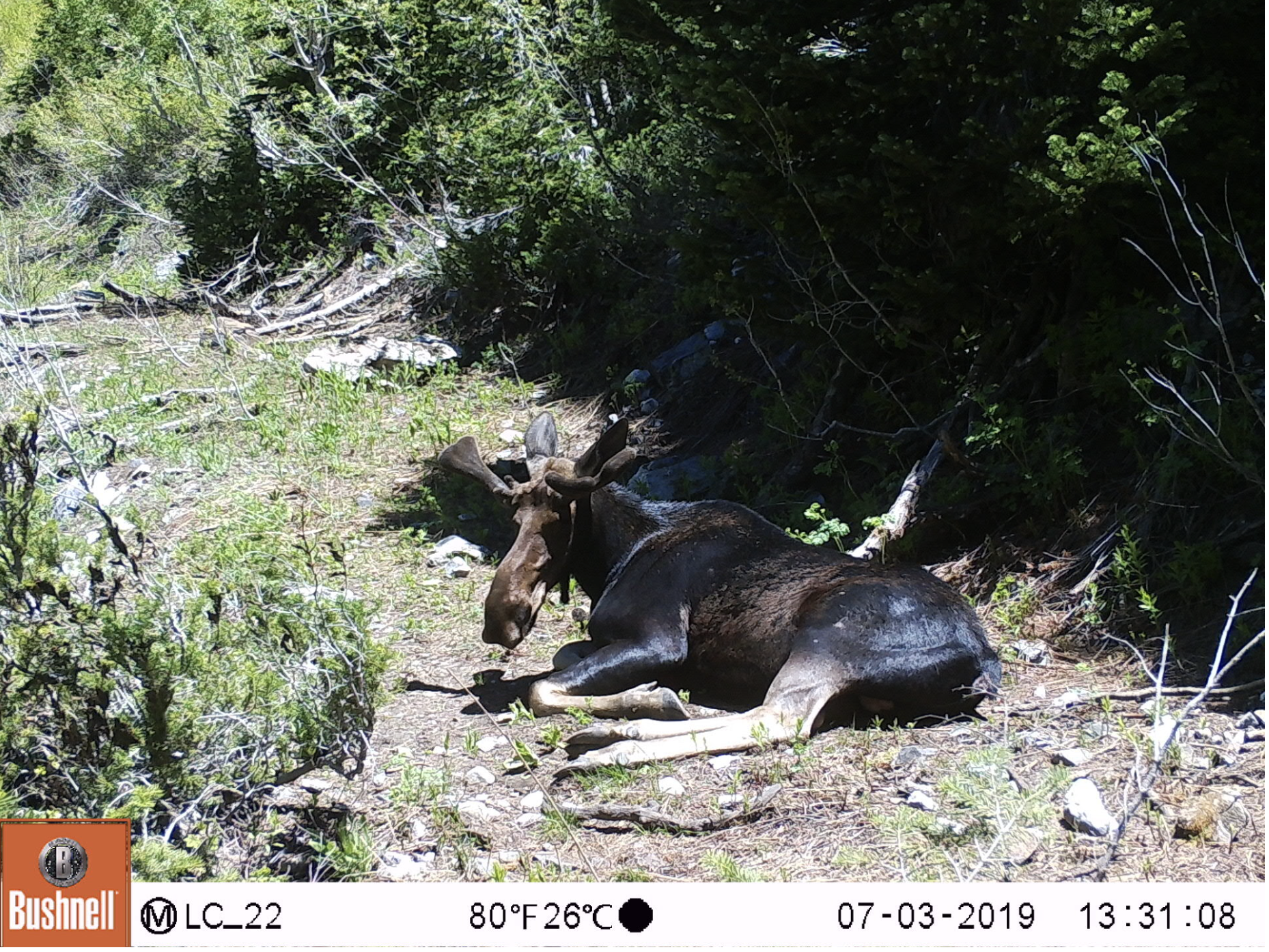
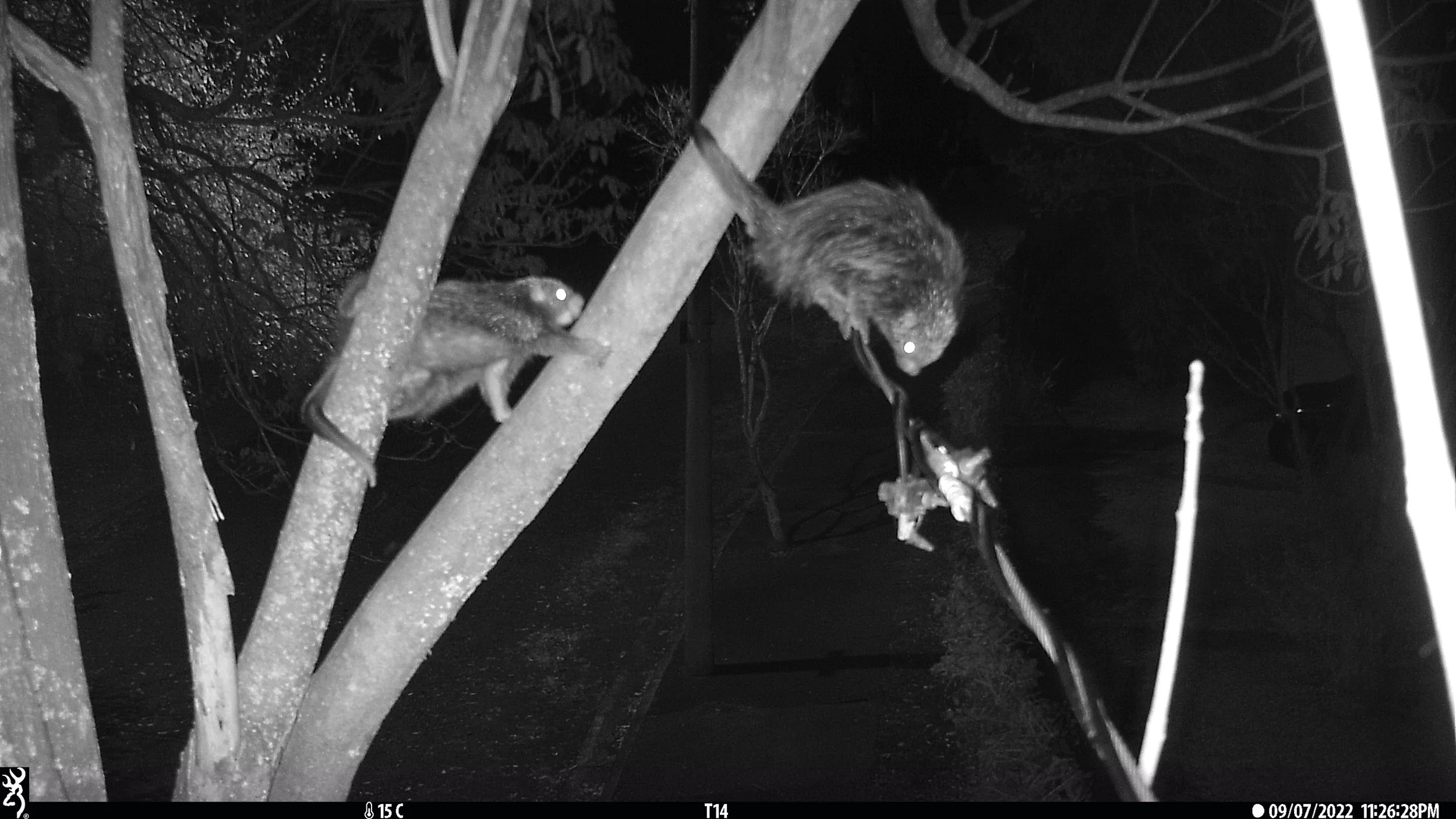
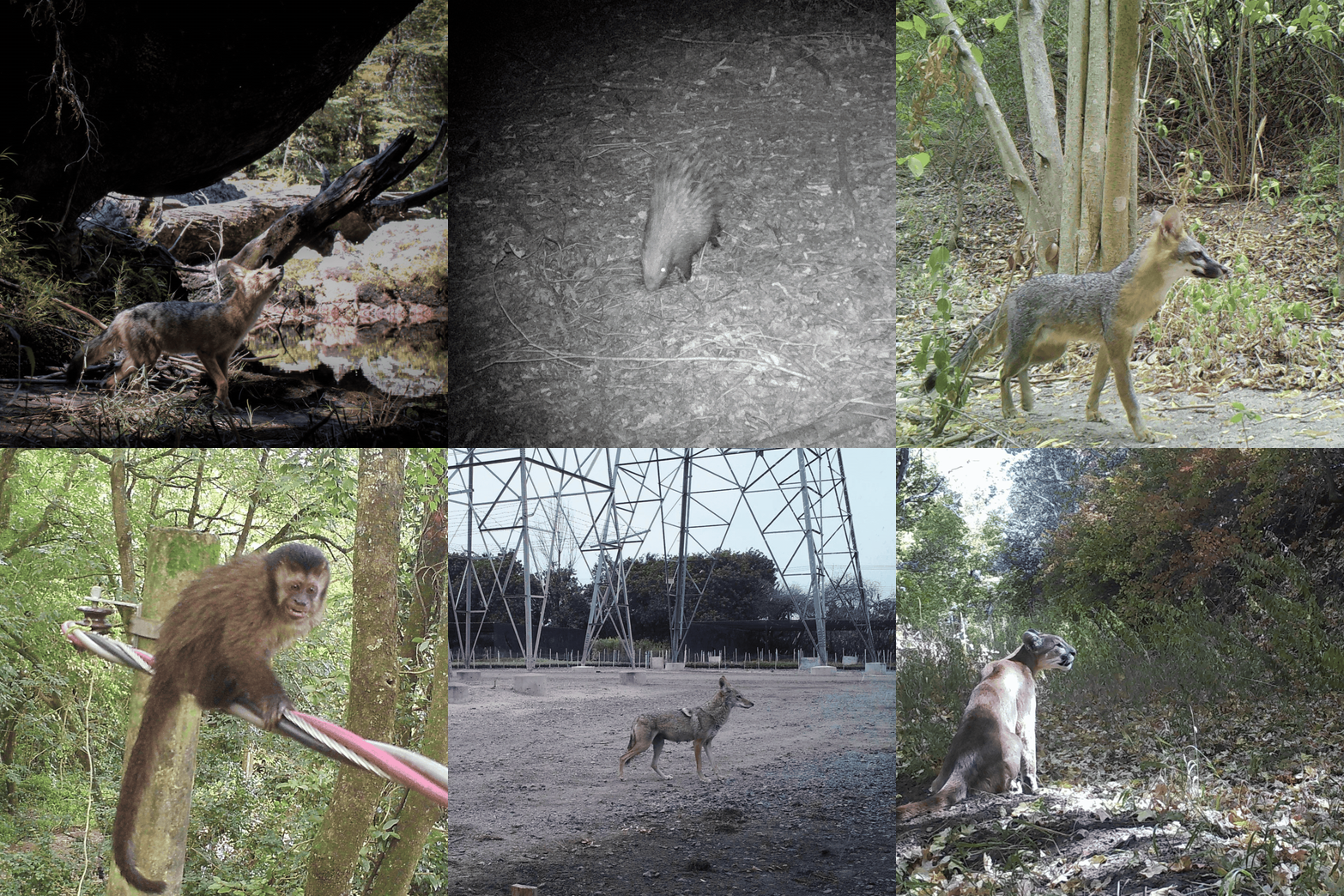
The heart of UWIN's research lies in monitoring wildlife with camera traps.
Partners establish sites along urban gradients to capture variation in species ecology and behavior.
Guidelines
Establish sites along an urban gradient following UWIN’s camera trapping protocol
Sample across diverse habitat types (built area, agriculture, grass, forest, etc.)
Establish at least 30 sites (>800m apart)
Monitor sites regularly with seasonal sampling preferred
Resources
Camera Trapping
Acoustic Sampling
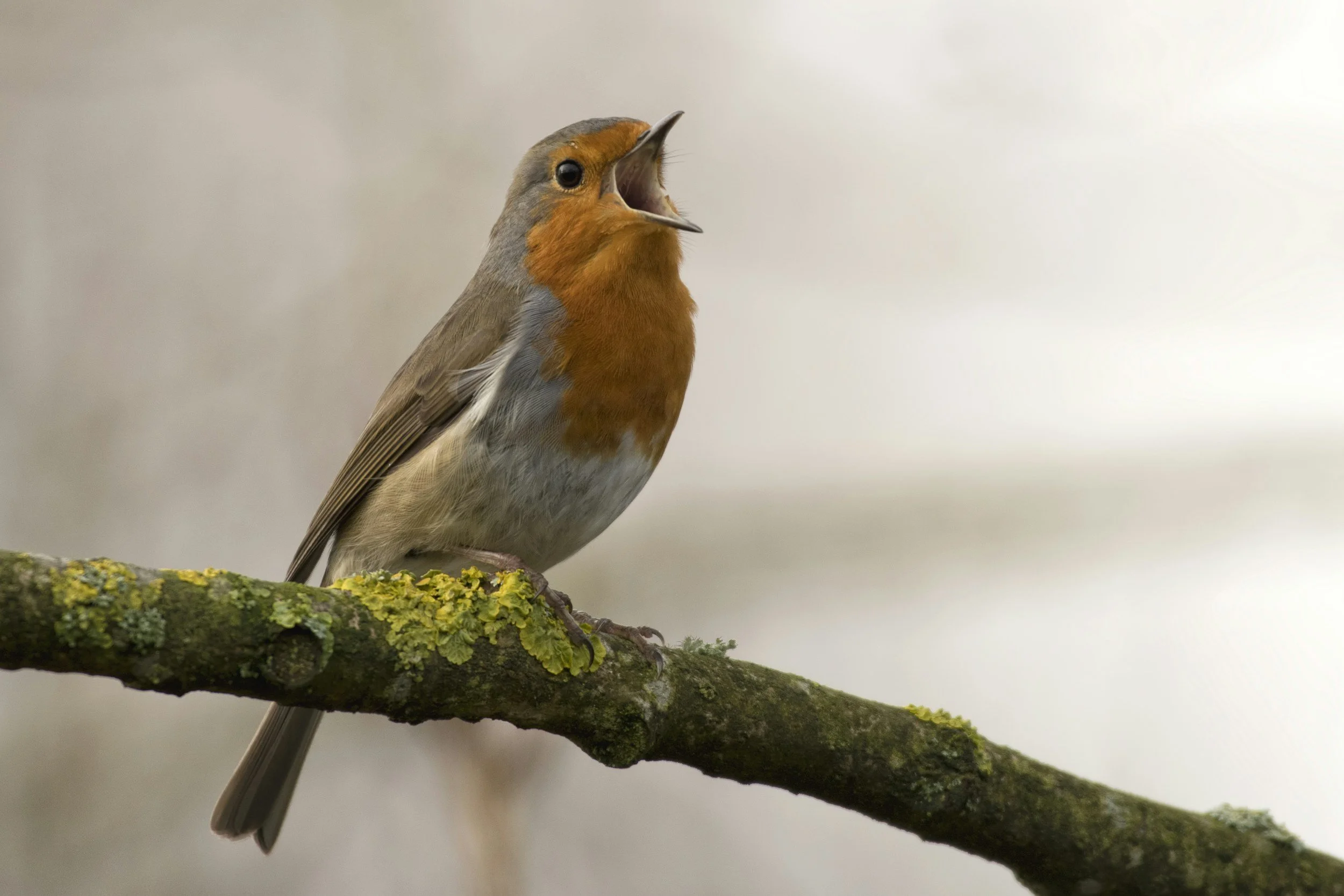
The Network has advanced techniques to systematically monitor birds with autonomous recording units (ARU's), specializing in AudioMoths.
Through collaborations with BirNet and WildTrax, we've streamlined acoustic data annotation.
Guidelines
Establish sites along an urban gradient
Sample across diverse habitat types (built area, agriculture, grass, forest, etc.)
Establish at least 30 sites (>800m apart)
Follow UWIN’s ARU programming schedule
Potential expansion to bats and amphibians monitoring
Resources
Tick Sampling
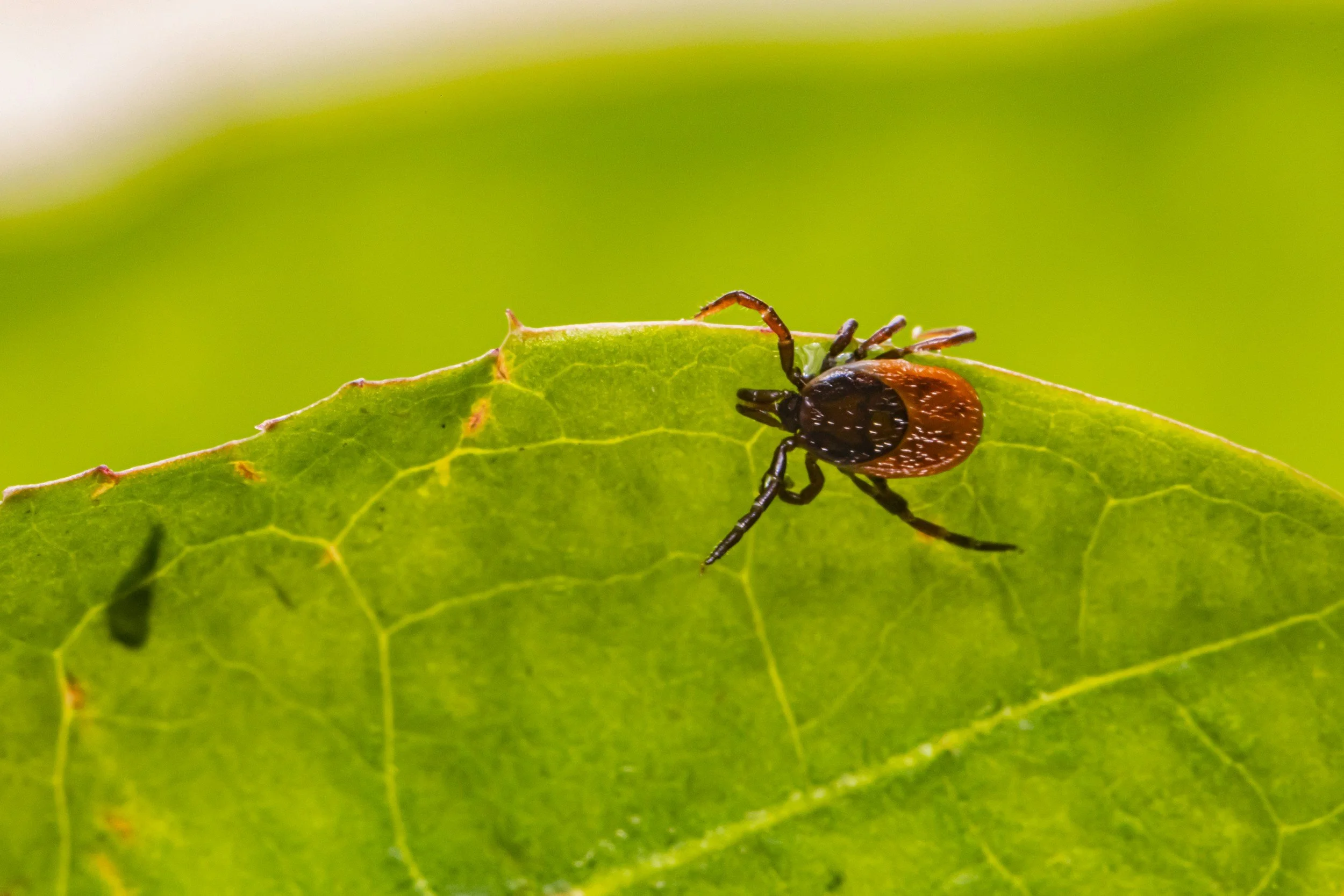
Partners investigate the relationship between mammal host communities, tick densities, and tick-borne disease.
Using camera traps and 'tick-dragging' to collect specimens and communicate findings with local health officials.
Guidelines
Establish >5 sites along an urban gradient
Conduct 2-3 tick-drags during peak activity months
Test specimens for disease-causing bacteria
Report findings to local health officials
Resources
What You'll Need
Joining UWIN is a collaborative process. Before you start collecting data, we work with you to make sure your project is set up for long-term success.
The Path to Partnership
Study Design
Work with UWIN staff to develop a sampling framework suited to your city. Each design will capture the local urban gradient and available habitat types, with consideration for your team’s research goals.
Study Site Approval
You've identified your sampling sites, established relationships with the relevant landowners or land managers, and confirmed reliable long-term access.
Land Access & Permissions
Documented permission from all relevant landowners or land managers is required for each site. Partners must also comply with local laws and regulations.
Signed MOU
Before accessing the UWIN database and shared network data, all partners sign a Memorandum of Understanding with Lincoln Park Zoo's Urban Wildlife Institute.
Partner Commitments
Regular Monitoring
Partners commit to consistent, long-term data collection. Seasonal sampling is preferred to capture temporal variation in wildlife communities.
Communication & Community
Partners are expected to attend at least one Quarterly Call per year and actively participate in the UWIN Slack channel.
Collaborative Research
Any multi-city research using shared UWIN data must be approved by the Research Committee. Reuse of previously shared data for a new project requires explicit agreement from the original data contributors and from UWIN.
Partner Resources
Access to data from across the network
Scholarship and granting opportunities
Opportunities to author high impact publications and reports
Training and guidance from staff on: data gathering, analysis, and visualization, publishing, and project management
Guidance on outreach: coordinating with landowners, media outlets, and local constituents
Media attention and added visibility for your projects
Networking in a collaborative community of like-minded colleagues
Access to UWIN-related lesson plans, syllabi, and activities for students from grade school (K-12) to collegiate levels
Access to training materials for students and volunteers
Contact Us