UWIN Protocols
Our Approach
UWIN's research protocols are united in that they are designed to capture variation in species ecology and behavior across a gradient of urbanization. However, each partner is based out of a unique region, meaning that no sampling design looks exactly alike.
This diversity helps the network understand how variation across landscapes and city infrastructure (physical and cultural) may impact local wildlife.
Network staff work directly with partners to determine how UWIN's sampling framework can be applied to their unique community.
Protocols
UWIN protocols are designed to capture variation in species ecology and behavior across a gradient of urbanization. Network staff work directly with partners to adapt these frameworks to their unique communities.
Please note, partners are welcome to implement one or more of these protocols and there is no requirement to participate in all of them.
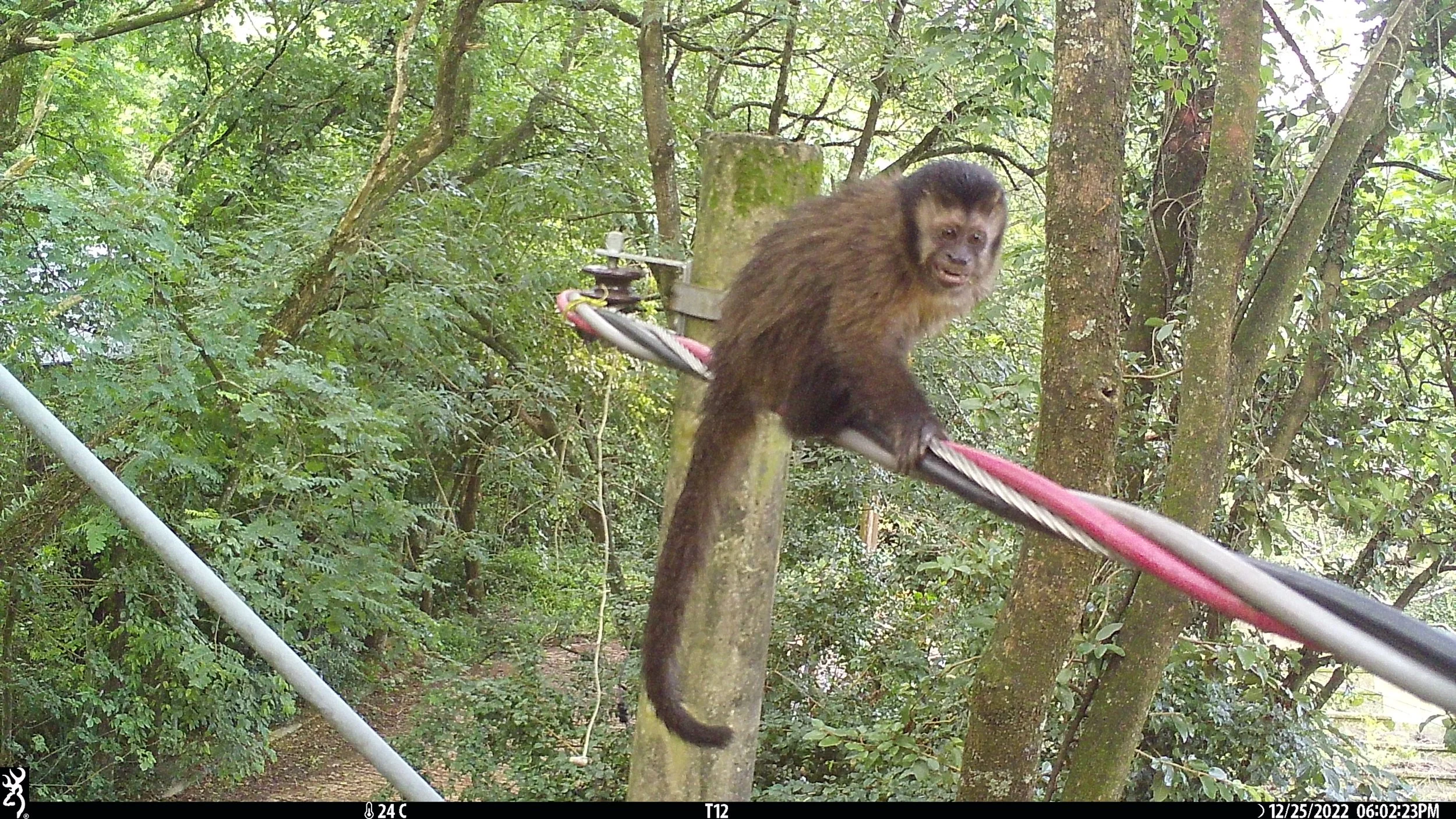
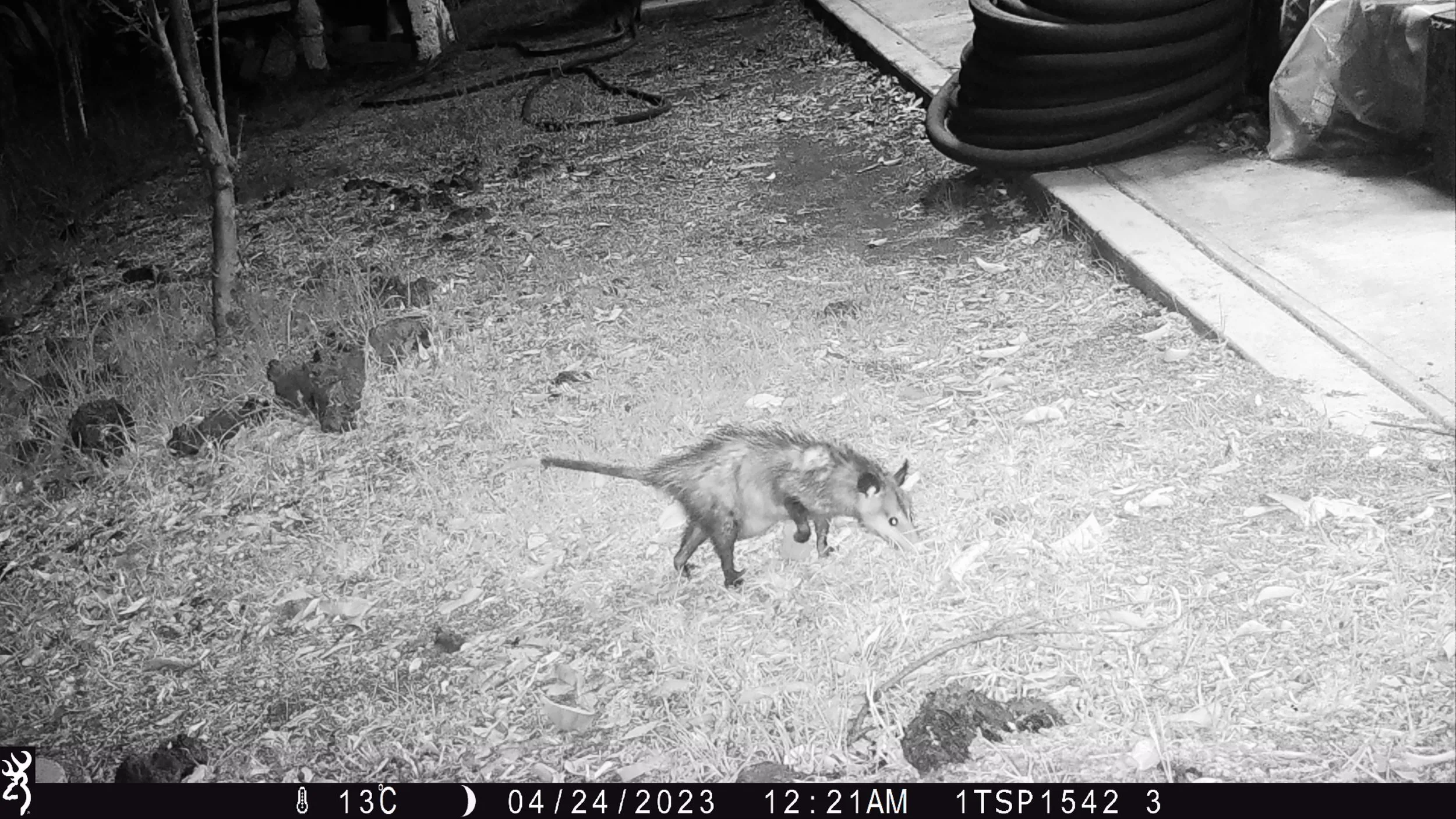
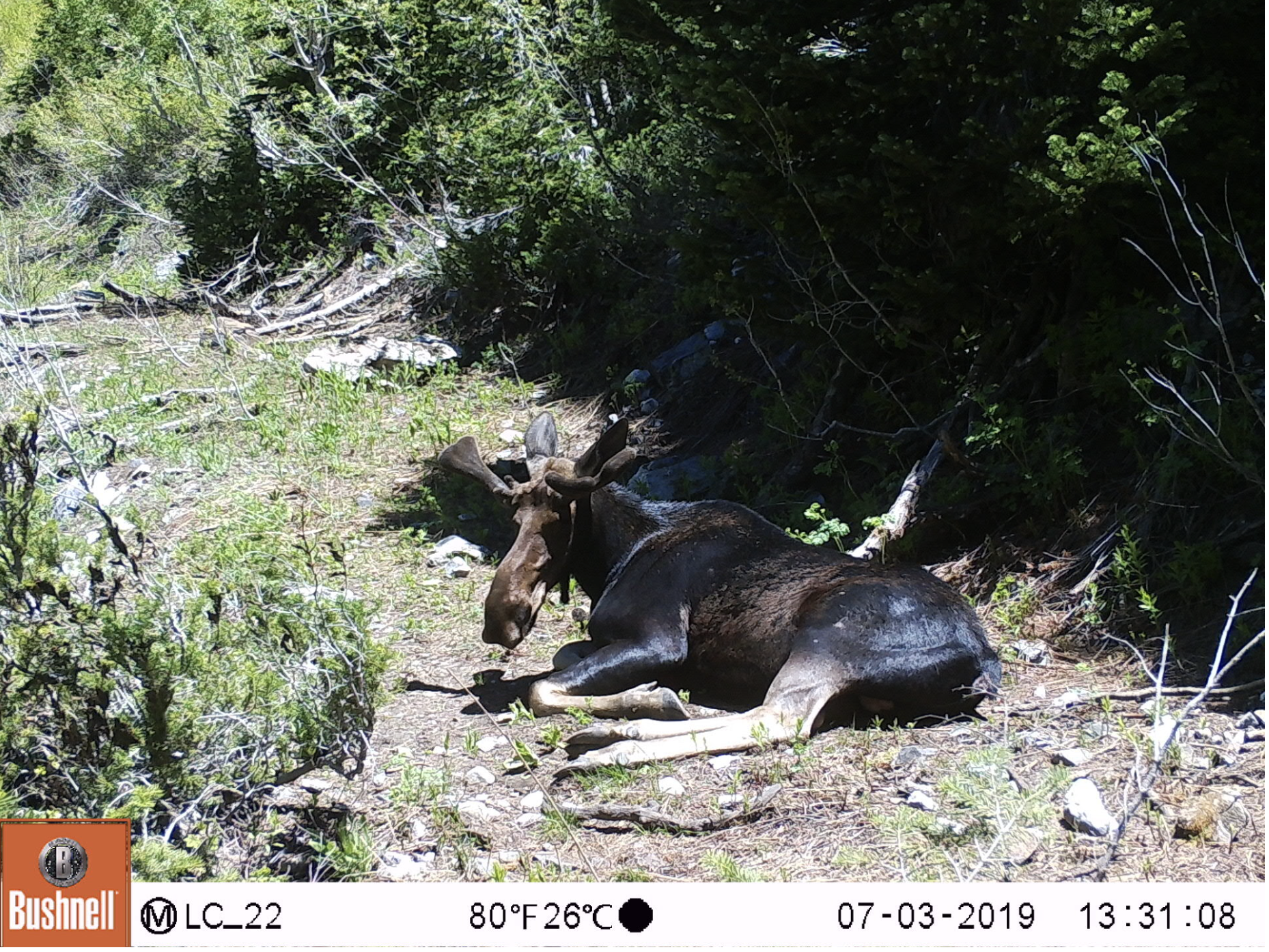
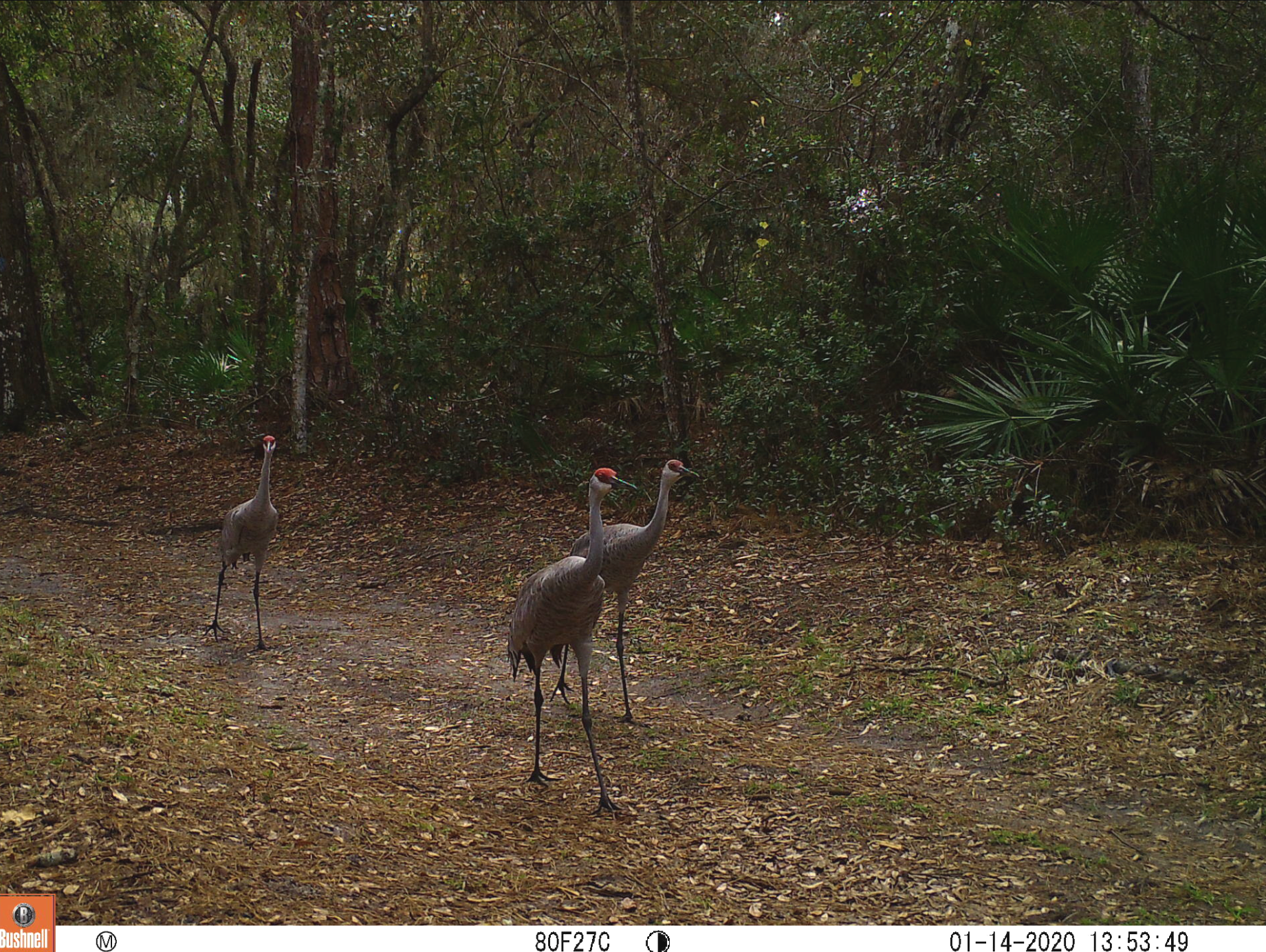
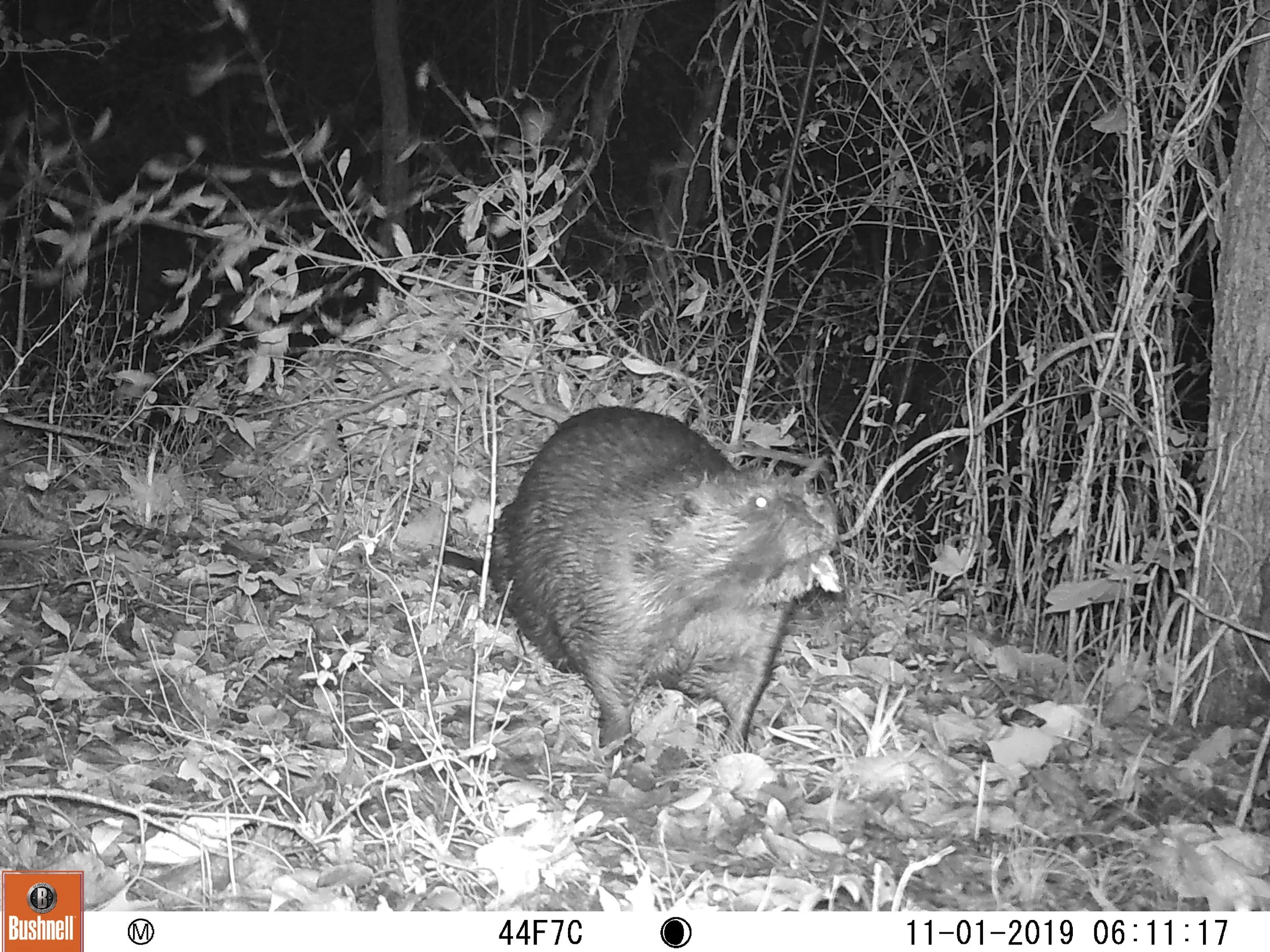
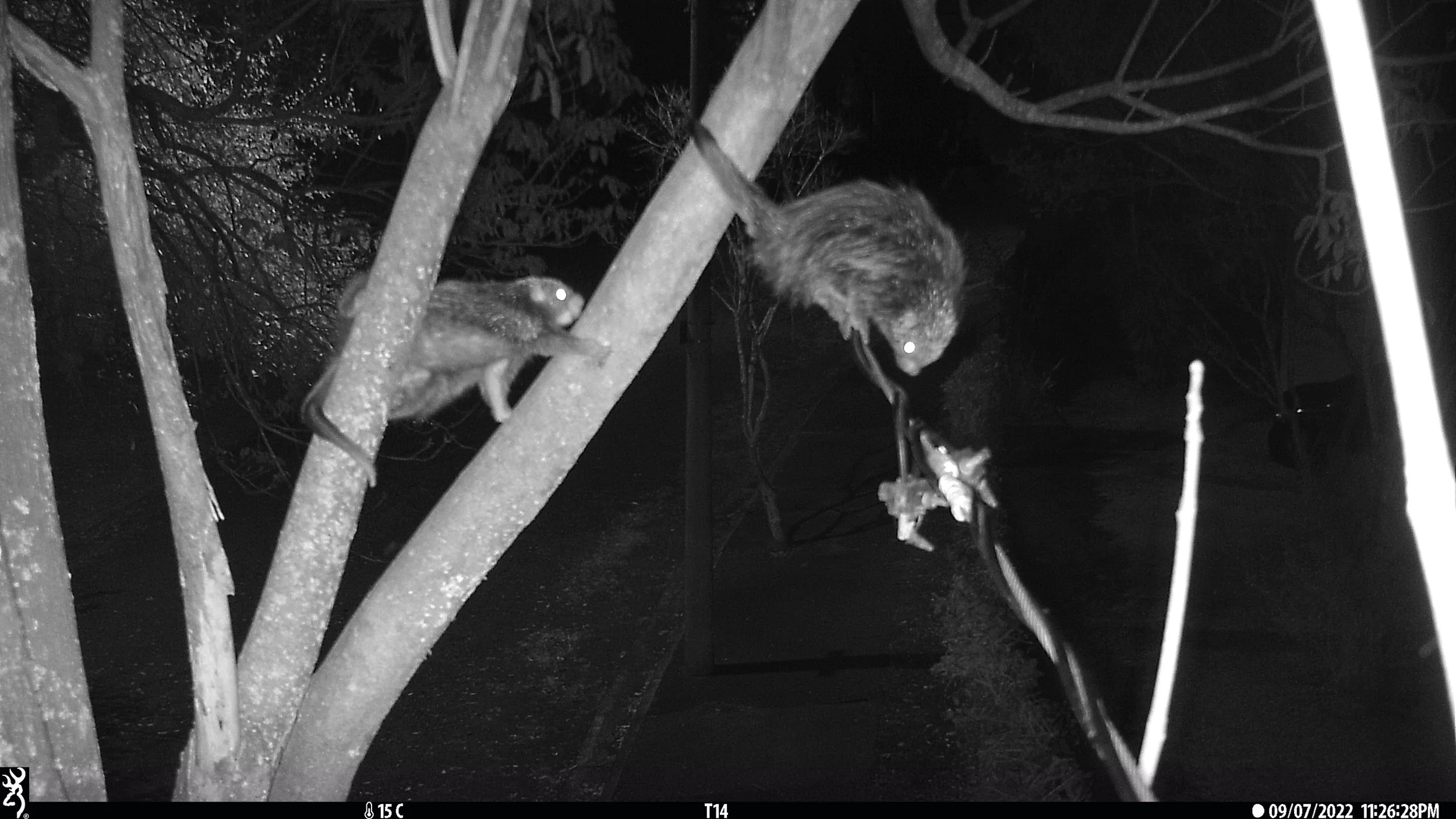
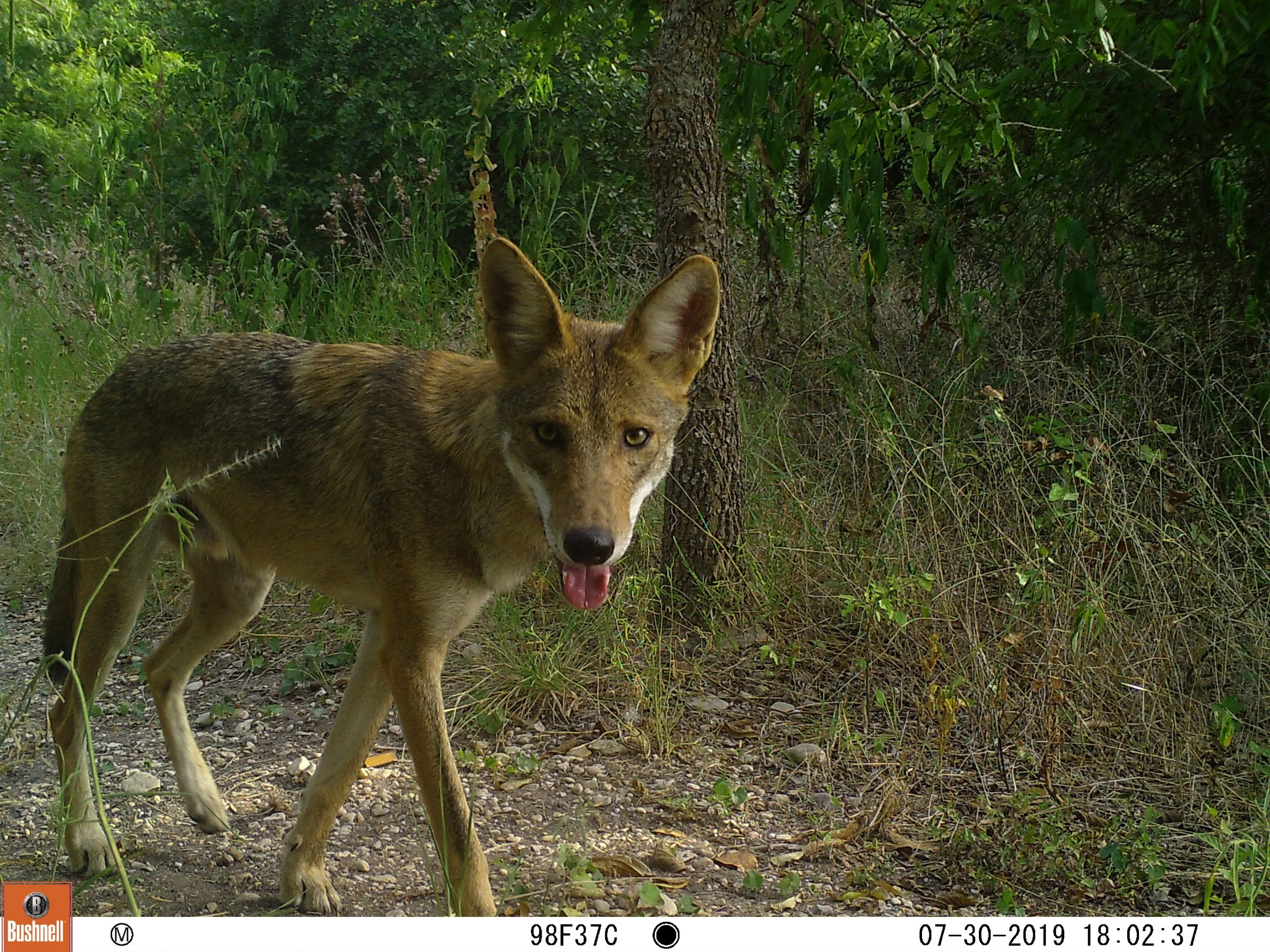
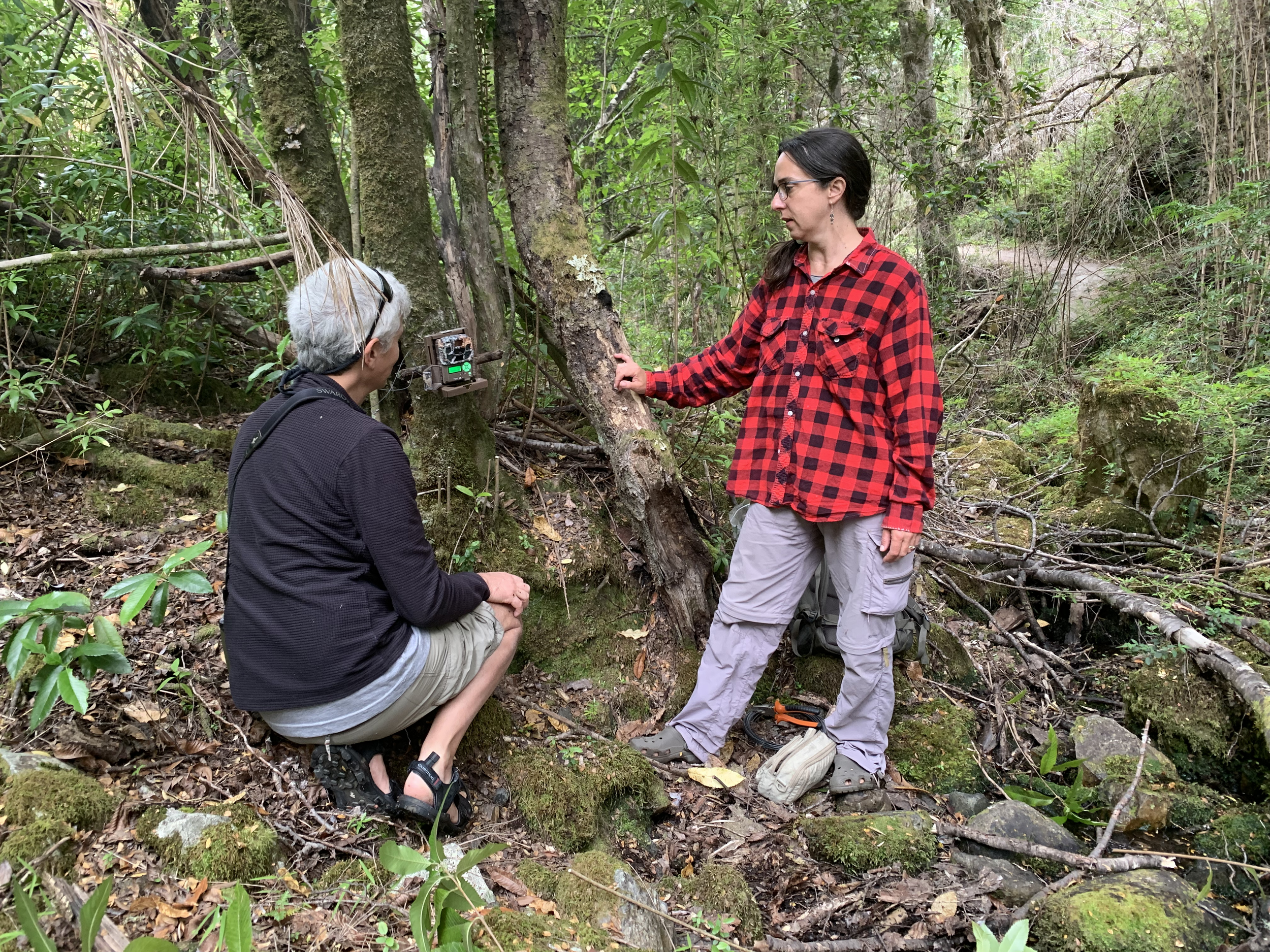
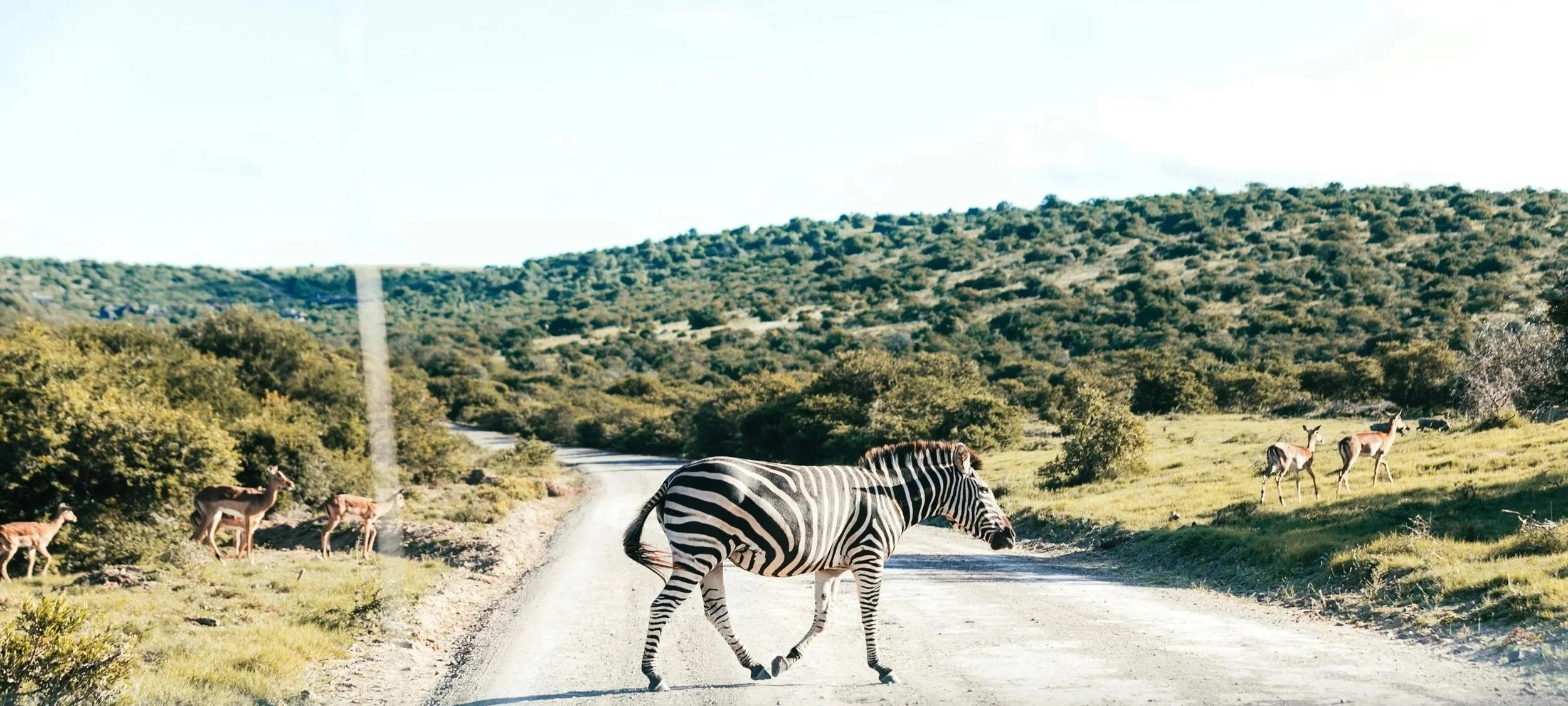
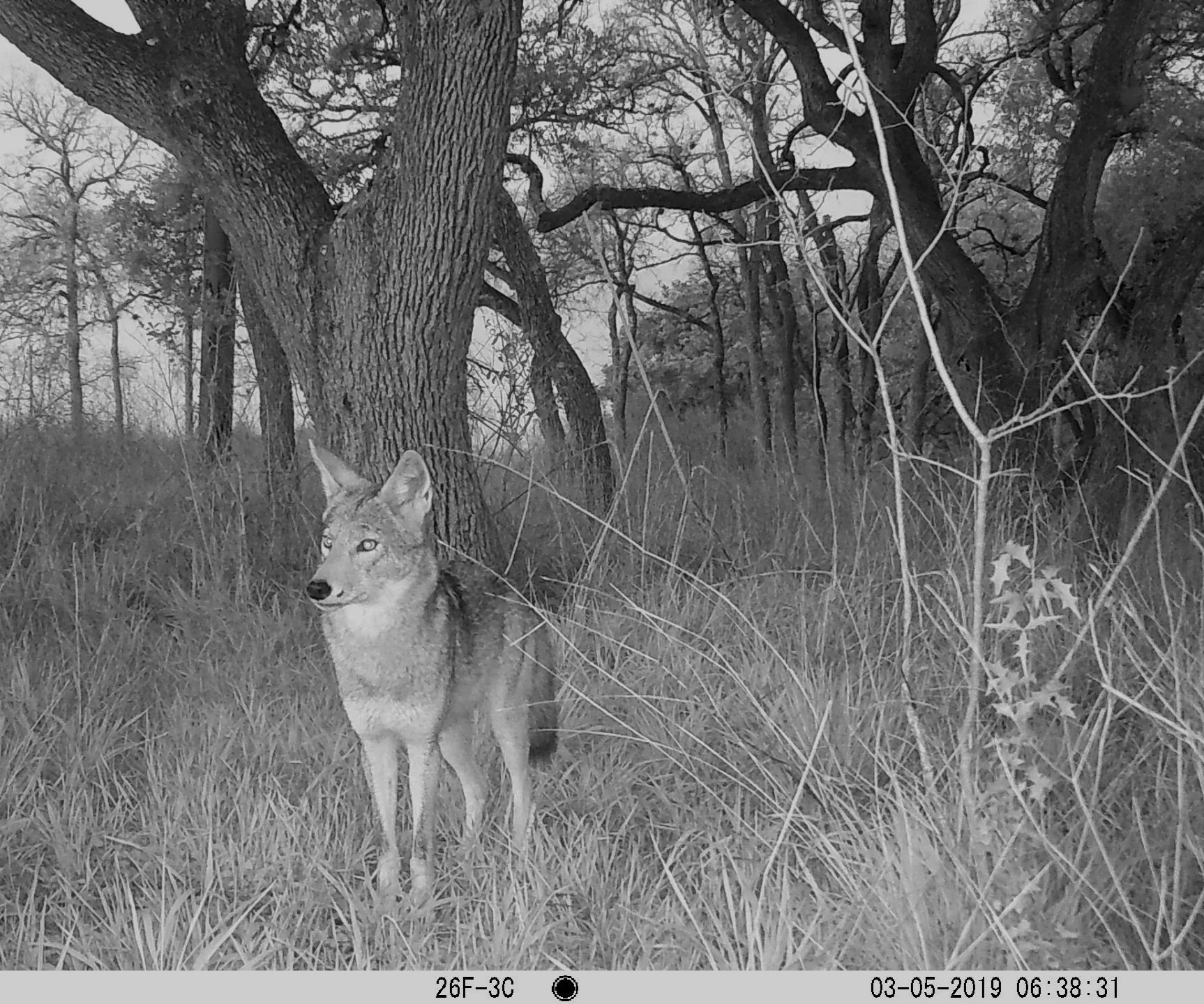
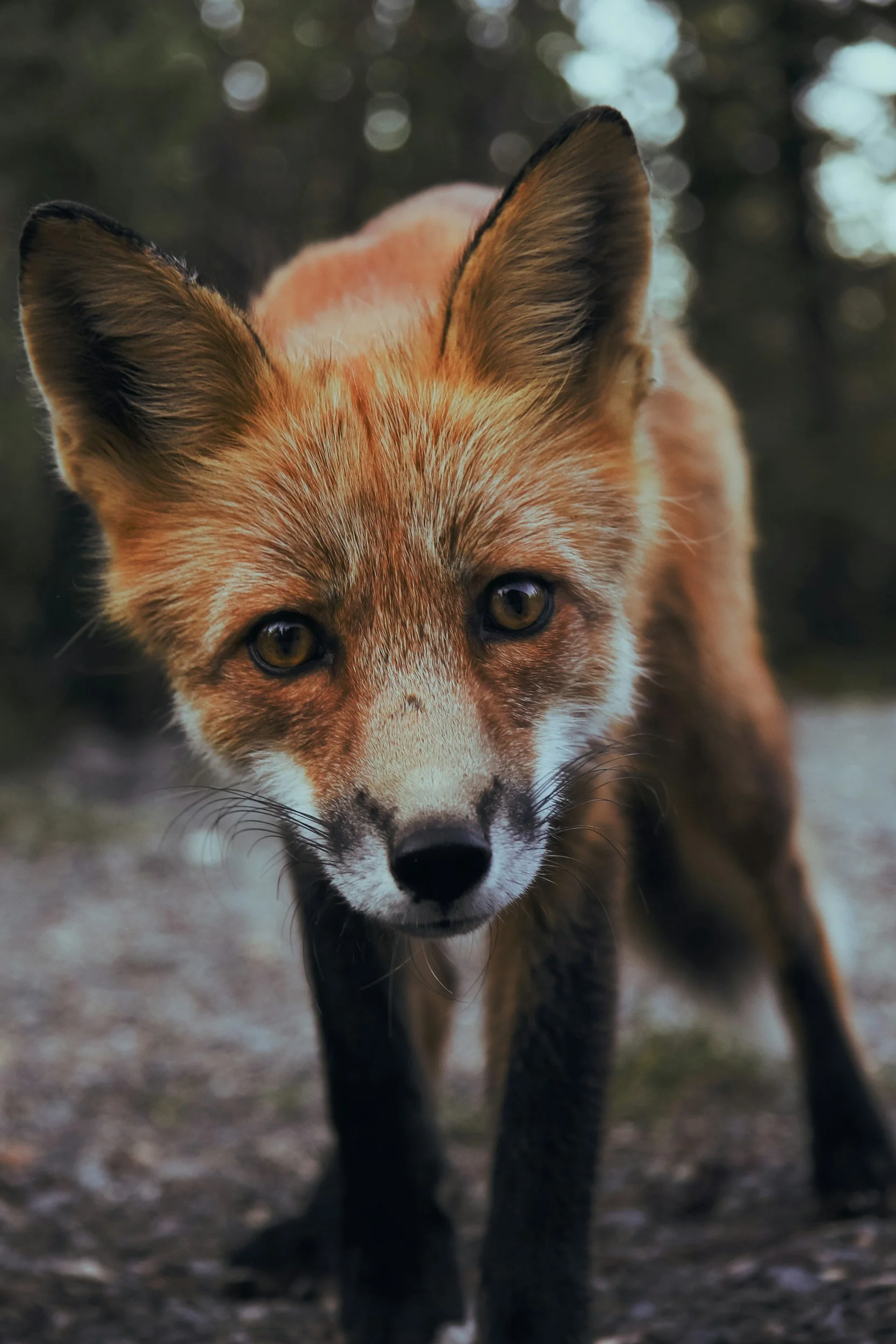
The heart of UWIN's research lies in monitoring wildlife with camera traps.
Partners establish sites along urban gradients to capture variation in species ecology and behavior.
Guidelines
Establish sites along an urban gradient following UWIN’s camera trapping protocol
Sample across diverse habitat types (built area, agriculture, grass, forest, etc.)
Establish at least 30 sites (>800m apart)
Monitor sites regularly with seasonal sampling preferred
Resources
Camera Trapping
Acoustic Sampling
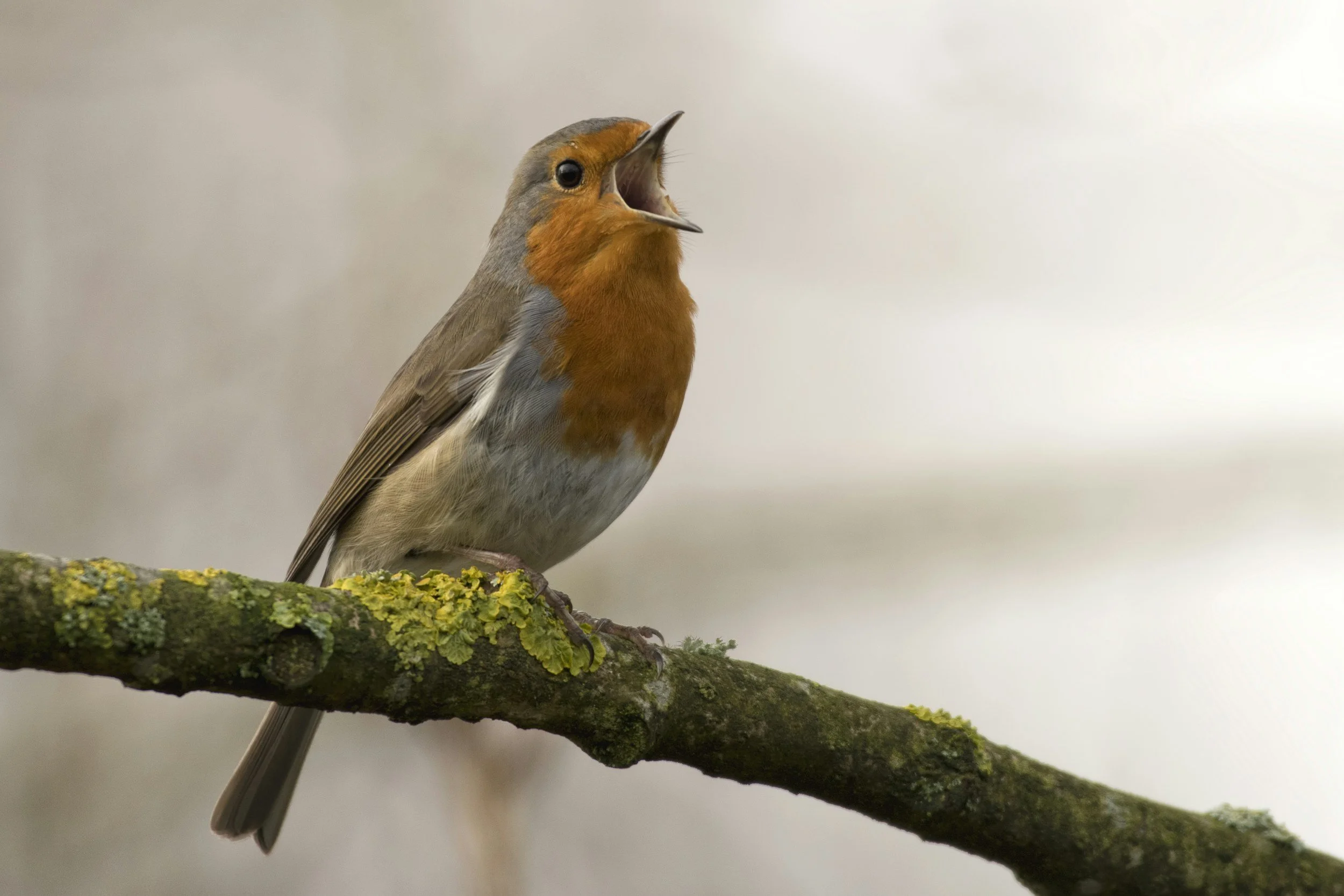
The Network has advanced techniques to systematically monitor birds with autonomous recording units (ARU's), specializing in AudioMoths.
Through collaborations with BirdNet and WildTrax, we've streamlined acoustic data annotation.
Guidelines
Establish sites along an urban gradient
Sample across diverse habitat types (built area, agriculture, grass, forest, etc.)
Establish at least 30 sites (>800m apart)
Follow UWIN’s ARU programming schedule
Potential expansion to bats and amphibians monitoring
Resources
Tick Sampling
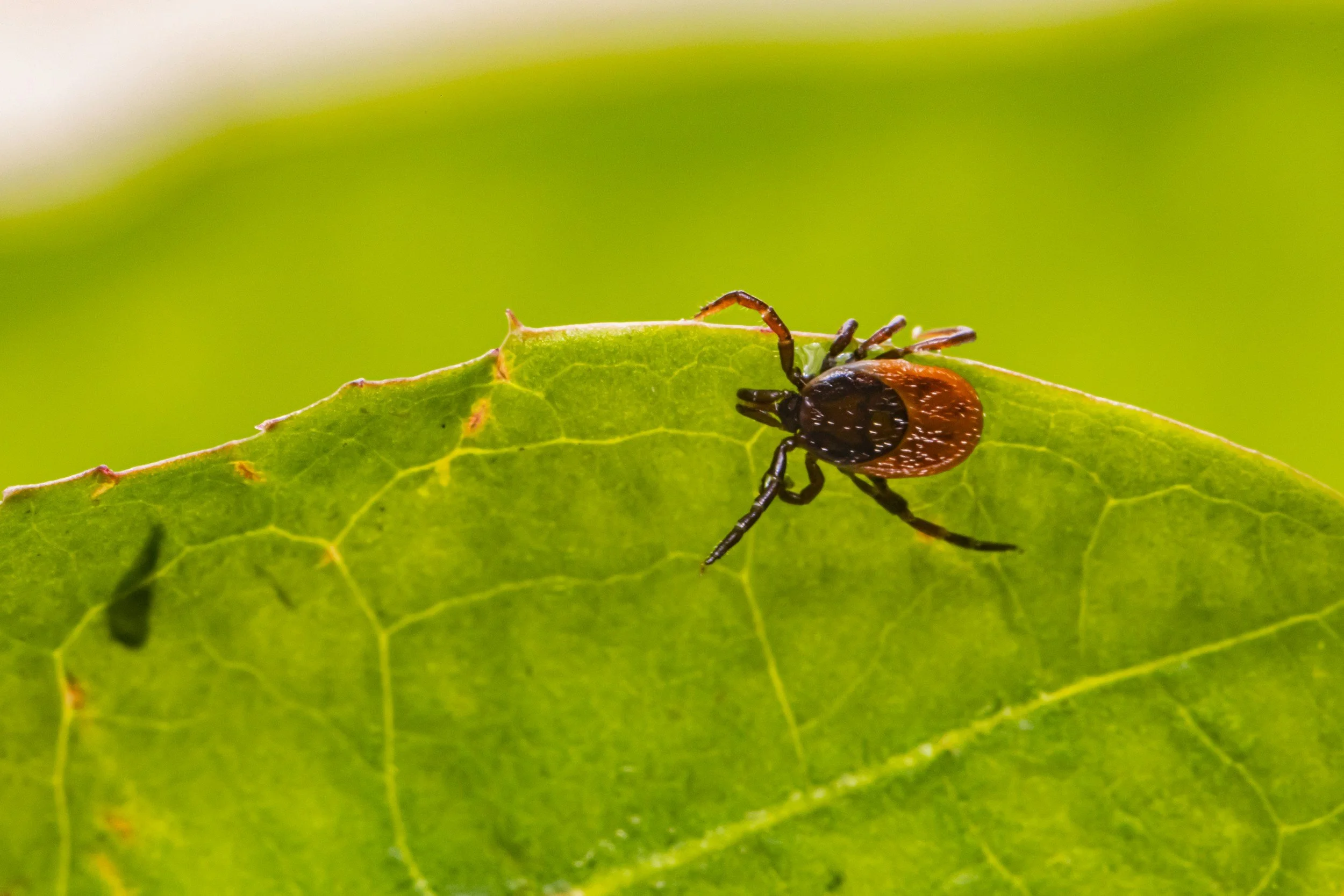
Partners investigate the relationship between mammal host communities, tick densities, and tick-borne disease.
Using camera traps and 'tick-dragging' to collect specimens and communicate findings with local health officials.
Guidelines
Establish at least 5 sites along an urban gradient
Conduct 2-3 tick-drags during peak activity months
Test specimens for disease-causing bacteria
Report findings to local health officials
Resources