Building Cities Where Nature Thrives
Bridge scientific research with the development and design of wildlife-friendly cityscapes using data from the world's largest urban wildlife network
UWIN supports humans and wildlife to coexist in urban areas.
The Urban Wildlife Information Network (UWIN) partners with architects, developers, and urban planners to translate ecological science into practical design considerations for wildlife-friendly cities.
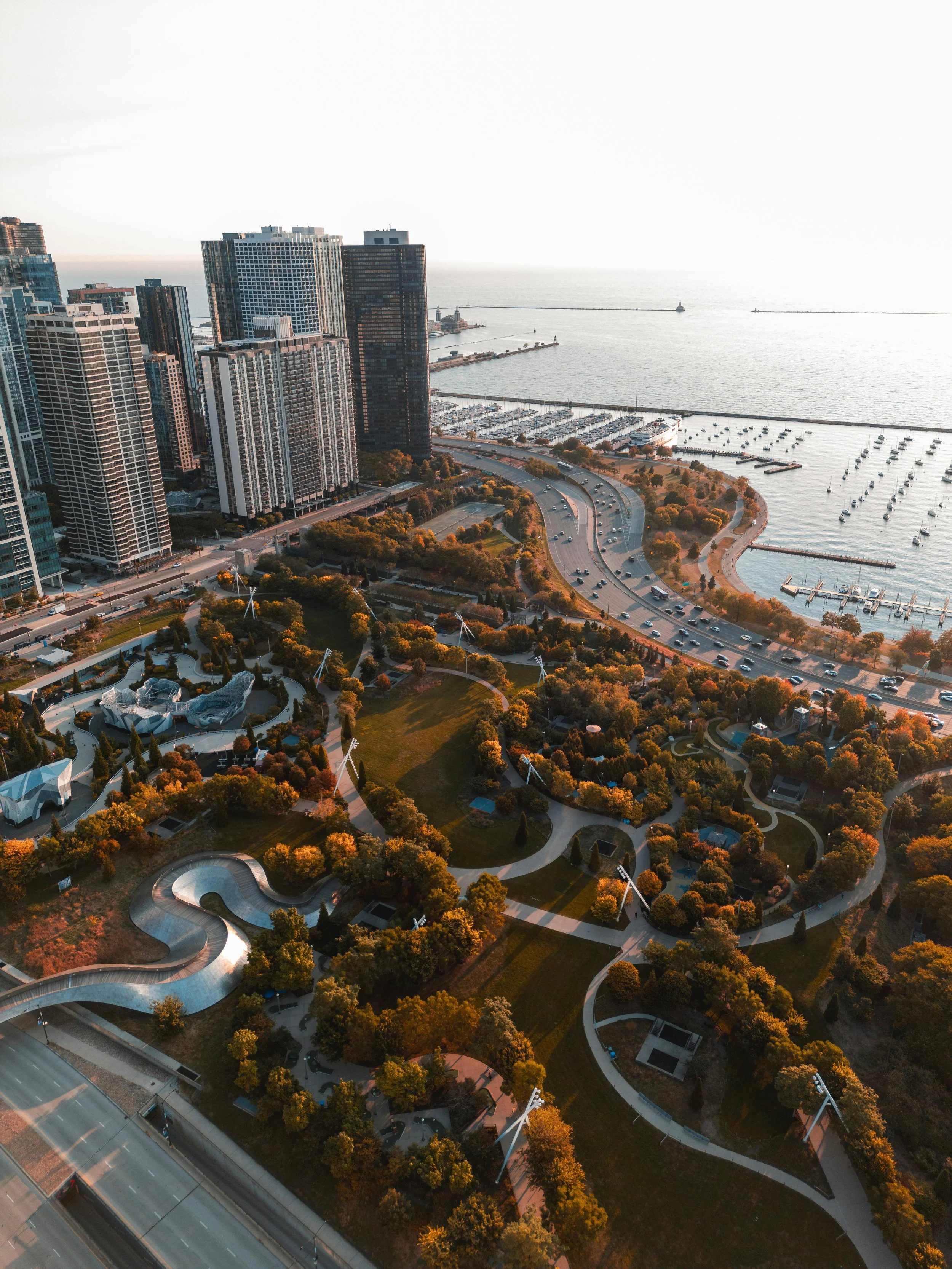
As urban areas grow denser, development decisions shape not only human experience, but also the health and movement of wildlife. With the right tools and collaboration, cities can be designed as connected, functional ecosystems that support biodiversity while enhancing quality of life for people.
Drawing from the world’s largest standardized urban wildlife dataset, UWIN provides evidence-based insights that inform site design, land-use planning, and long-term urban resilience.
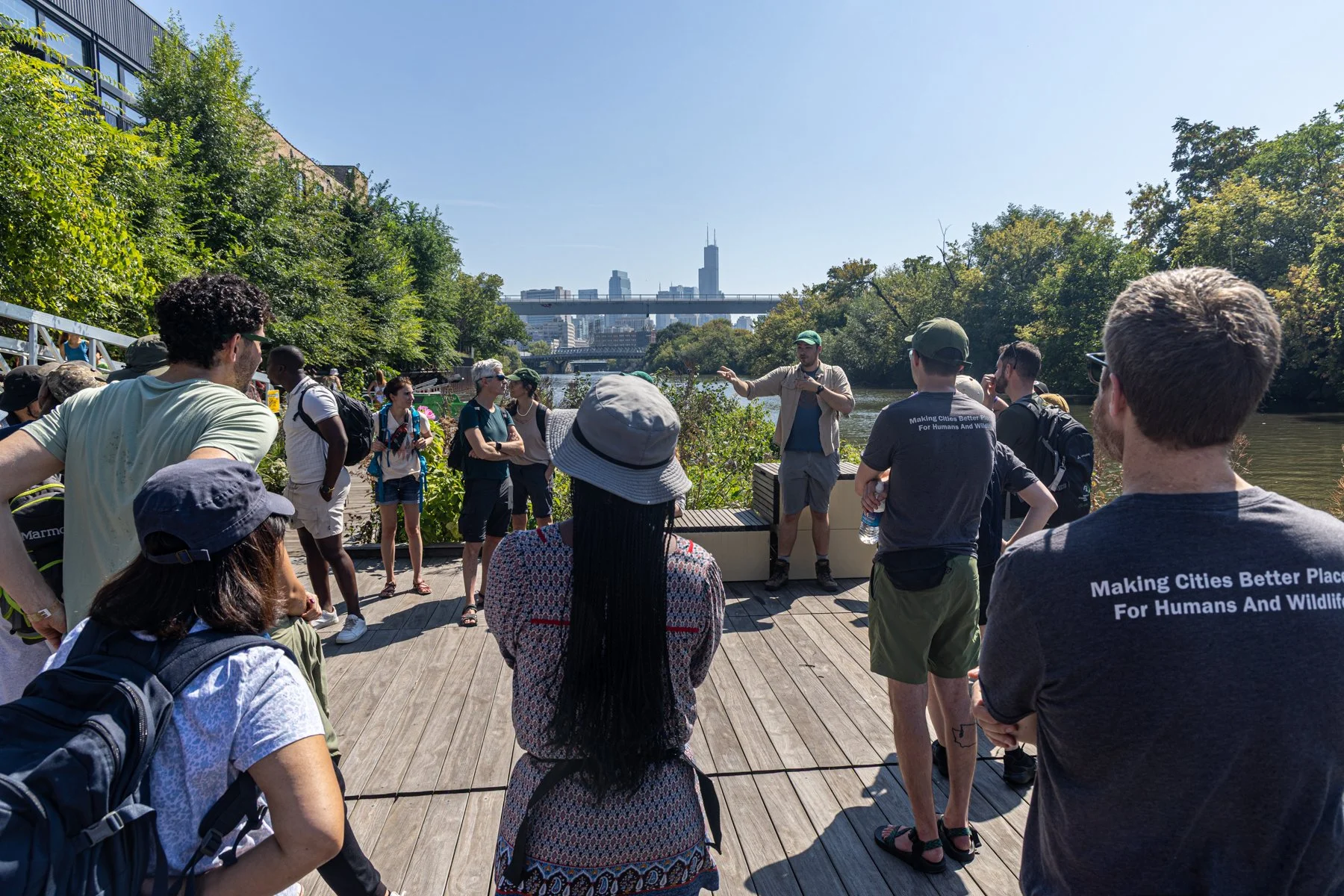
“The kind of multidisciplinary approach is critical to our long-term health as humans, let alone every other organism on Earth.”
- James Patchett
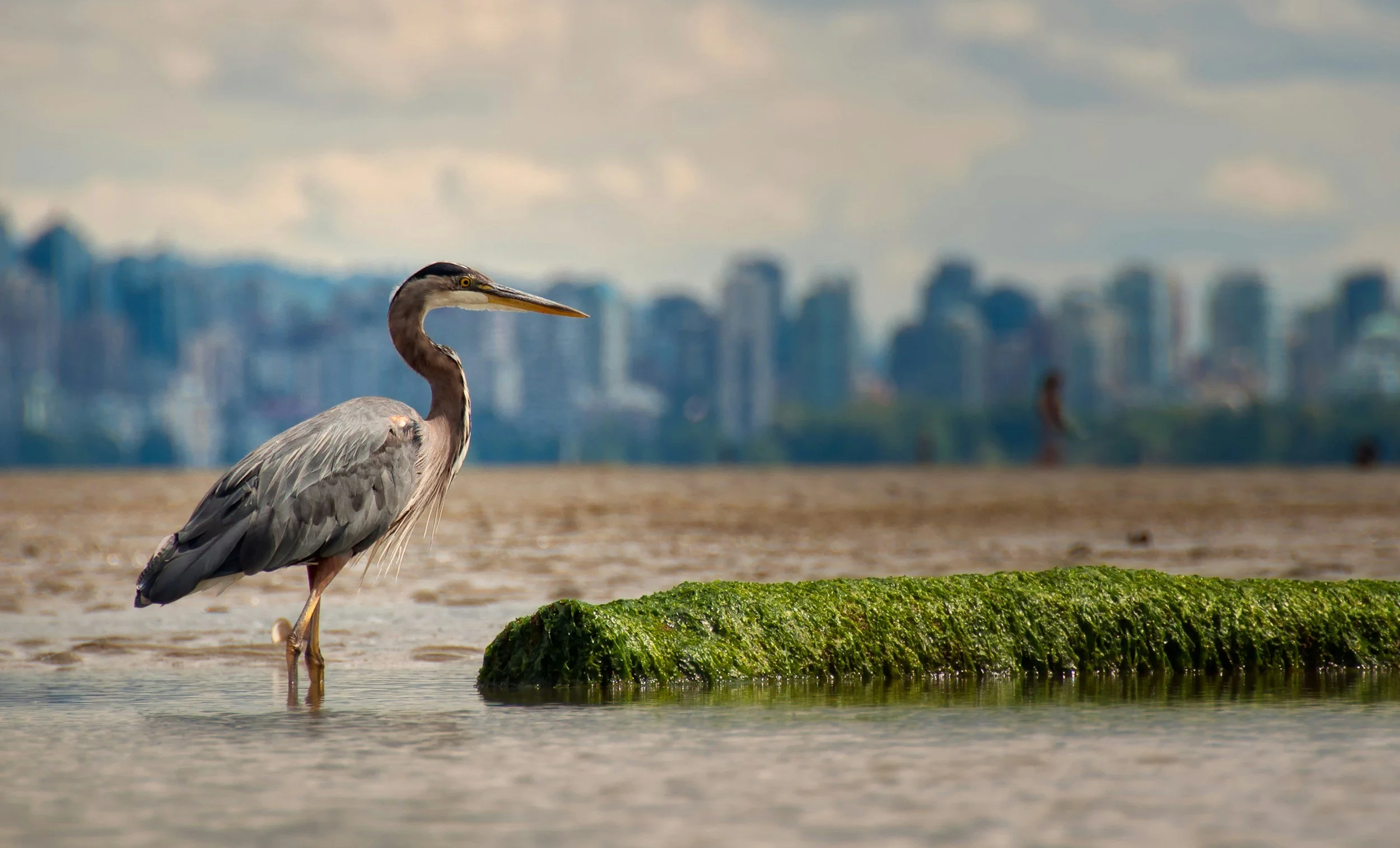
The landscape of a city is complex, housing not only humans, but also a multitude of wildlife species.
By evaluating and integrating our understanding of local ecology before, during, and after development projects, we have the opportunity to create high performing designs which prioritize people and wildlife.
Important aspects to consider include connectivity to greenspace or wildlife habitat, landscaping, construction material choices, and landscape use.
UWIN can provide data, resources, and expertise.
Ecologists and biologists can help.
Scientists can monitor the wildlife composition of a site before, during, and after a project to help develop environmentally-functional designs, and can provide a wealth of data on the results of other, similar projects.
Monitoring is also a useful way to benchmark success and prove you have created a design that is beneficial to humans and hospitable to the local animals and plants.
Collaborating with scientists can help ensure environmental standards and benchmarks are met.
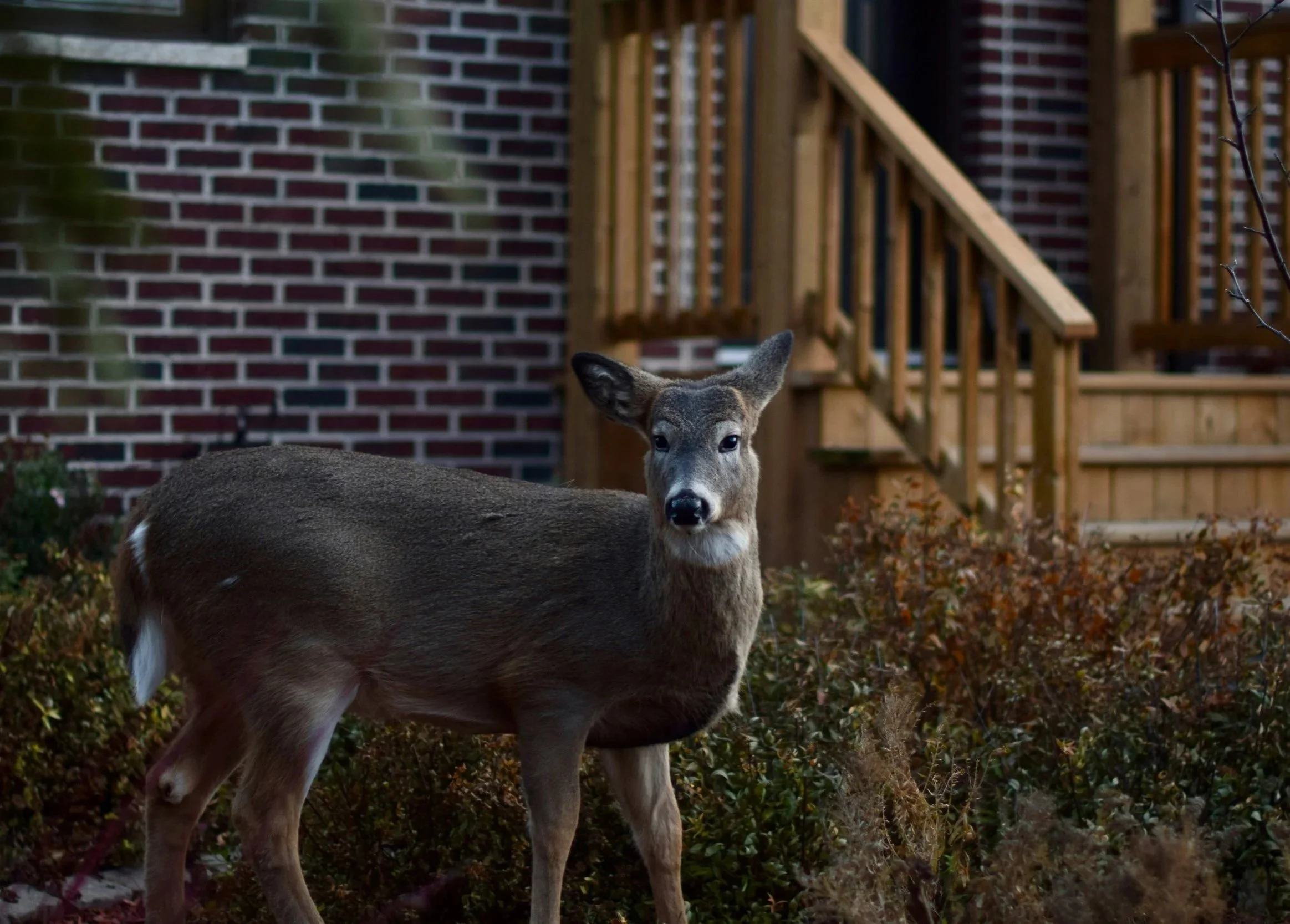
"We were able to create a document that is informed by our data, the data we've collected in Chicago for the last 15 years, that goes species by species and talks about what we can do to reduce conflict with those species, and what we can do to live more harmoniously with those animals."
—Dr. Seth Magle, Executive Director, Urban Wildlife Information Network

Chicago: Where UWIN's Research Became City Policy
Lincoln Park Zoo's Urban Wildlife Institute, which created UWIN, established a lasting partnership with the City of Chicago, collaborating with the Animal Care and Control Department to draft a comprehensive Wildlife Management and Coexistence Plan for the entire city.
The plan combined UWI's 15 years of systematic wildlife monitoring data with Chicago Animal Care and Control's deep knowledge of local wildlife issues. Chicago serves as the model city for UWIN, demonstrating how long-term urban wildlife research can directly inform municipal policy and create pathways for humans and animals to thrive together.