
Drivers and consequences of human-carnivore interactions across American cities
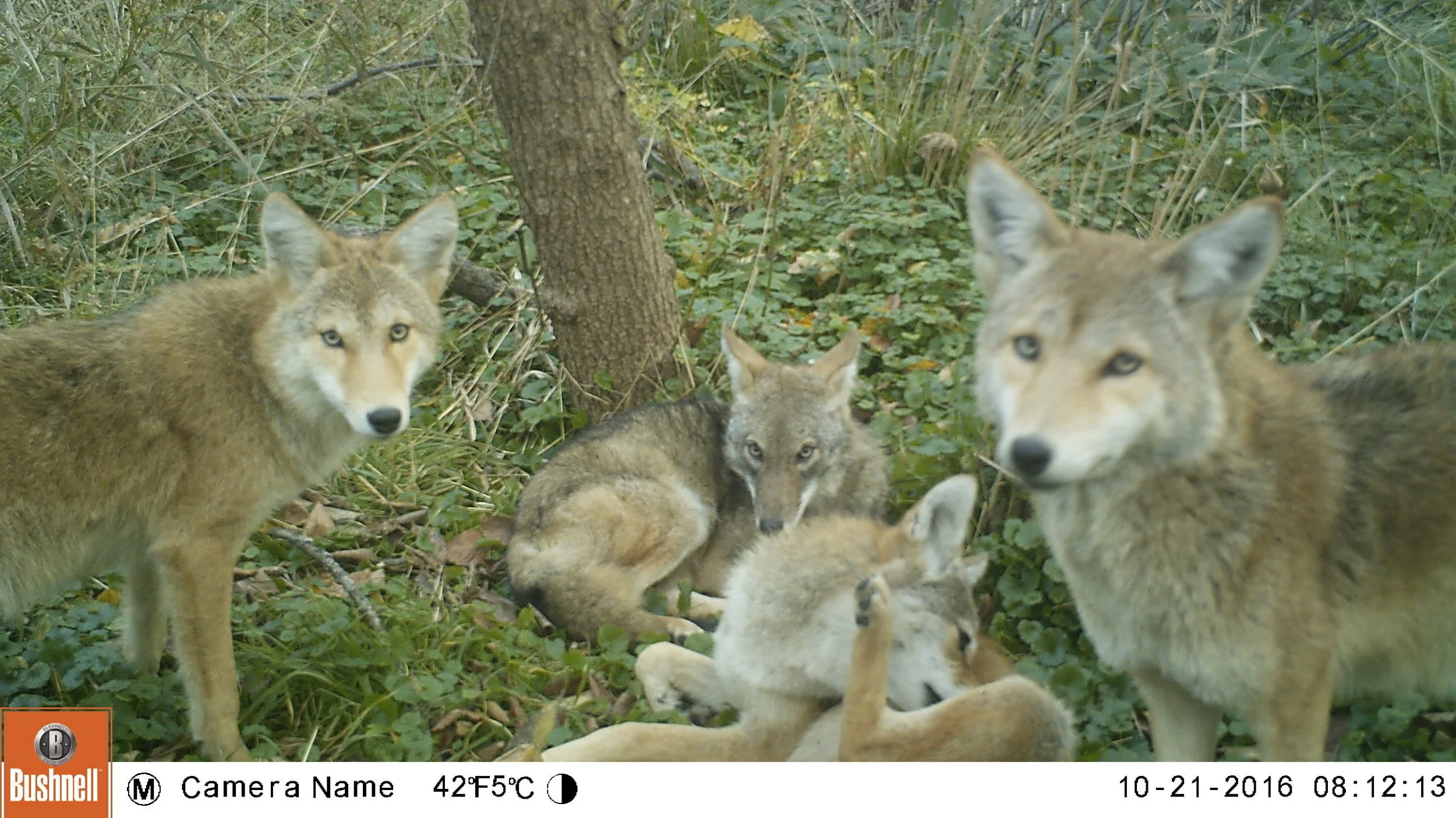
Our goal is to understand why interactions with urban carnivores arise and how those interactions affect people and animals. We are studying these interactions in two species (coyotes and raccoons) and four cities (Chicago, Phoenix, San Francisco, and Washington D.C.) to understand which patterns are context-specific or generalizable across contexts.
Who We Are
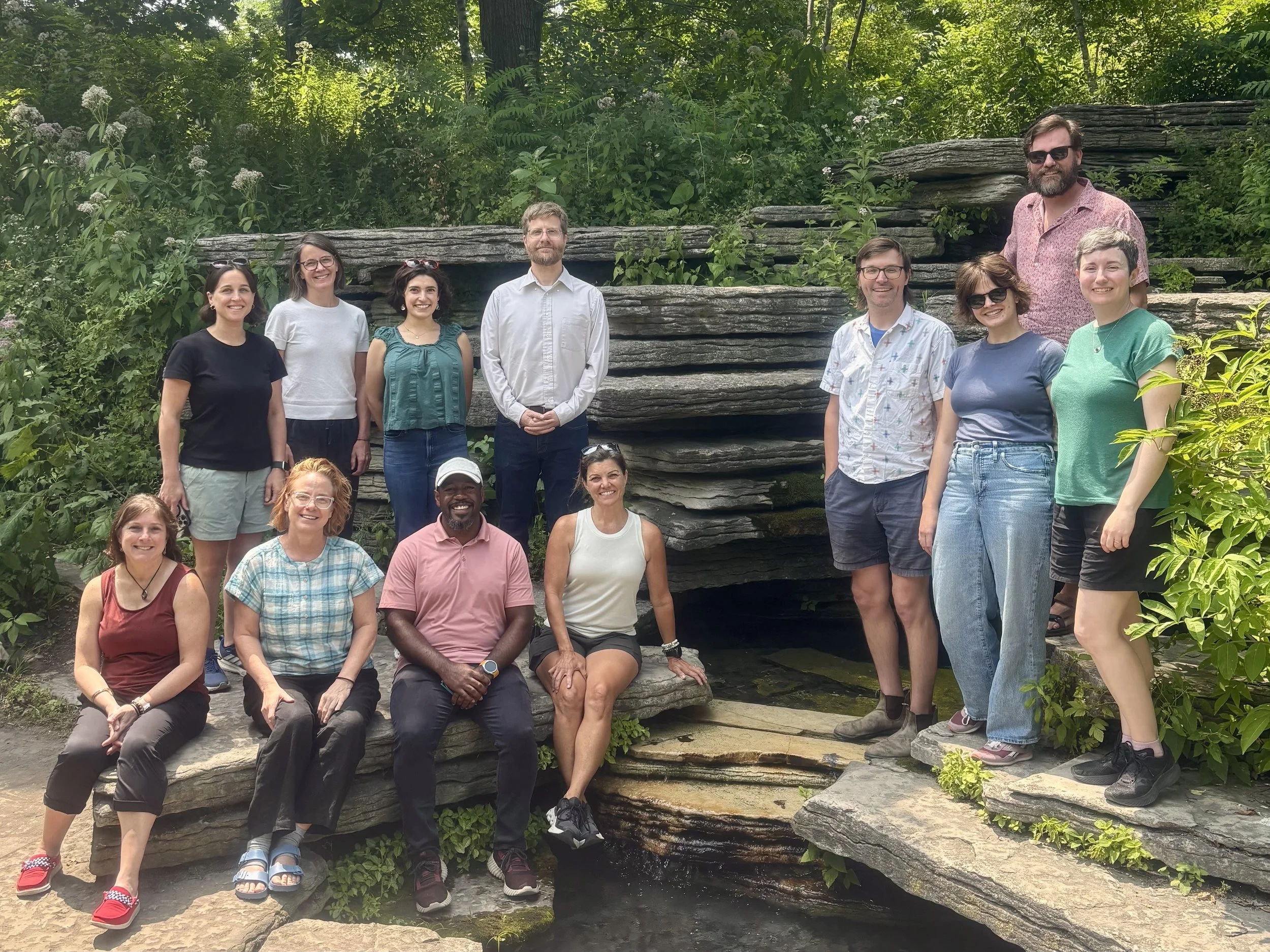
We are an interdisciplinary team of researchers who study urban ecology, wildlife ecology, and human dimensions of wildlife.
This project is led by Dr. Maureen H. Murray at Lincoln Park Zoo in Chicago. Team members include Dr. Kelli Larson at Arizona State University, Dr. Seth Magle (Lincoln Park Zoo), Dr. Mason Fidino (Lincoln Park Zoo), Dr. Christopher J. Schell (University of California, Berkeley), Dr. Anne Short Giannotti (Boston University), Dr. Anita Morzillo (University of Connecticut), Dr. Julie Young (Utah State University), and Dr. Travis Gallo (University of Maryland).
Trainees include Dr. Tiziana Gelmi Candusso (Lincoln Park Zoo), Owen Bachhuber (Arizona State University), Arianna Mistry (Arizona State University), Abby Rutrough (Arizona State University).
Research questions
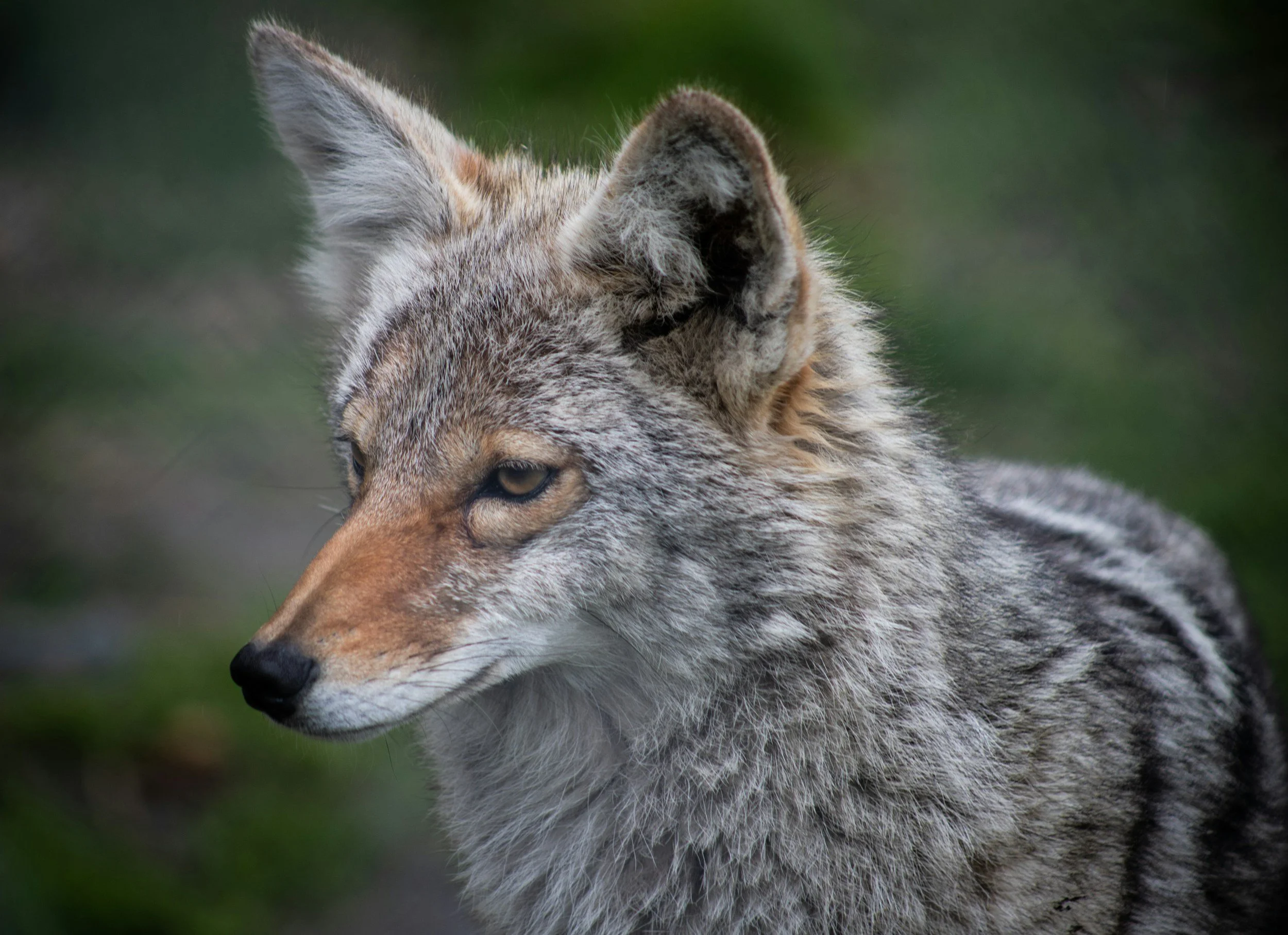
What social and ecological factors shape where carnivores live in cities?
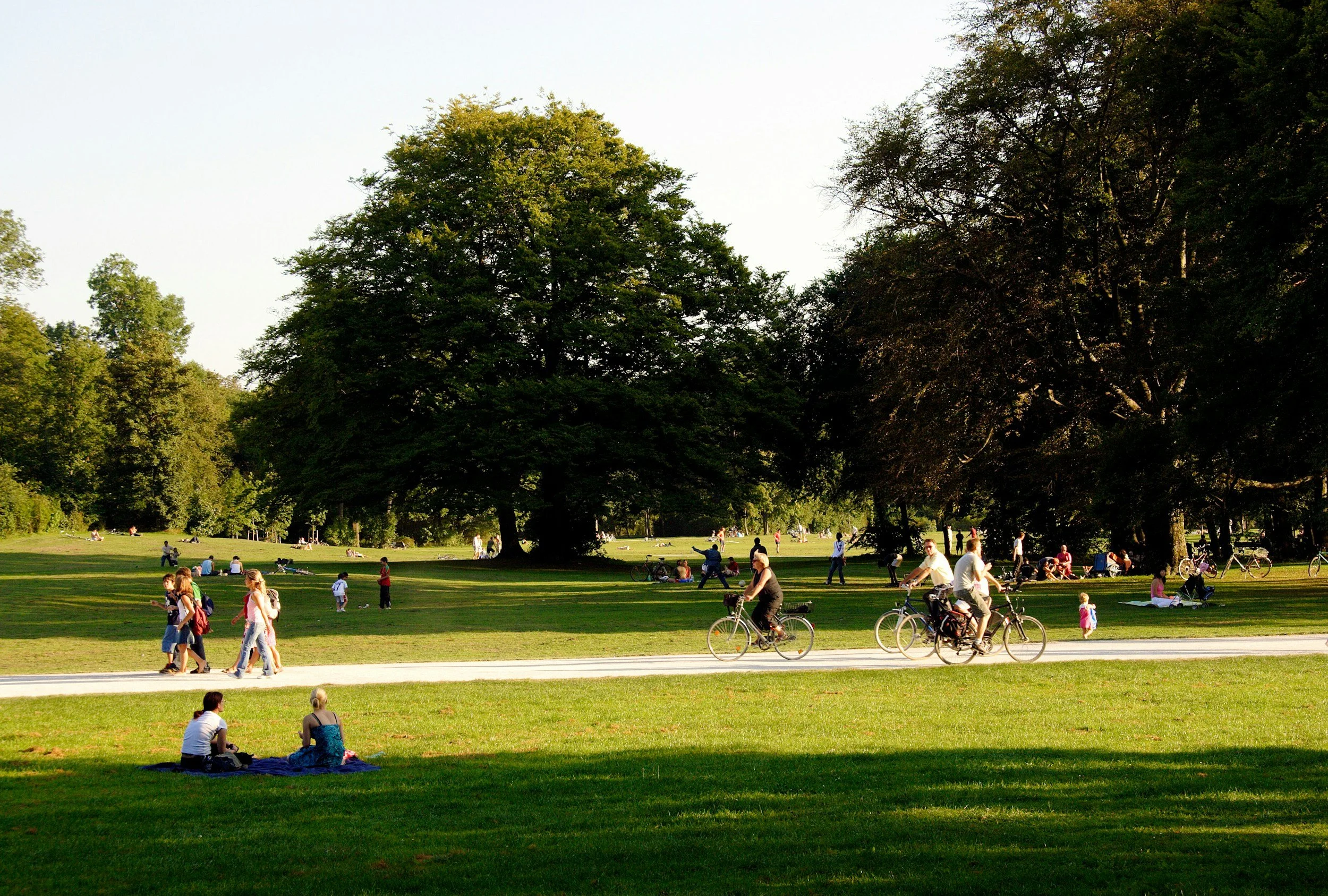
What social and ecological factors promote interactions between people and urban carnivores?
Click here to read about our survey about residents’ experiences with raccoons and coyotes in Chicago, Phoenix, San Francisco, and Washington DC <link to storymap>
How do managers make decisions about responding to human-carnivore interactions?
We interviewed managers in Chicago, Phoenix, San Francisco, and Washington D.C. to understand how they respond to calls about urban coyotes and raccoons, and their perceptions of resident concerns.

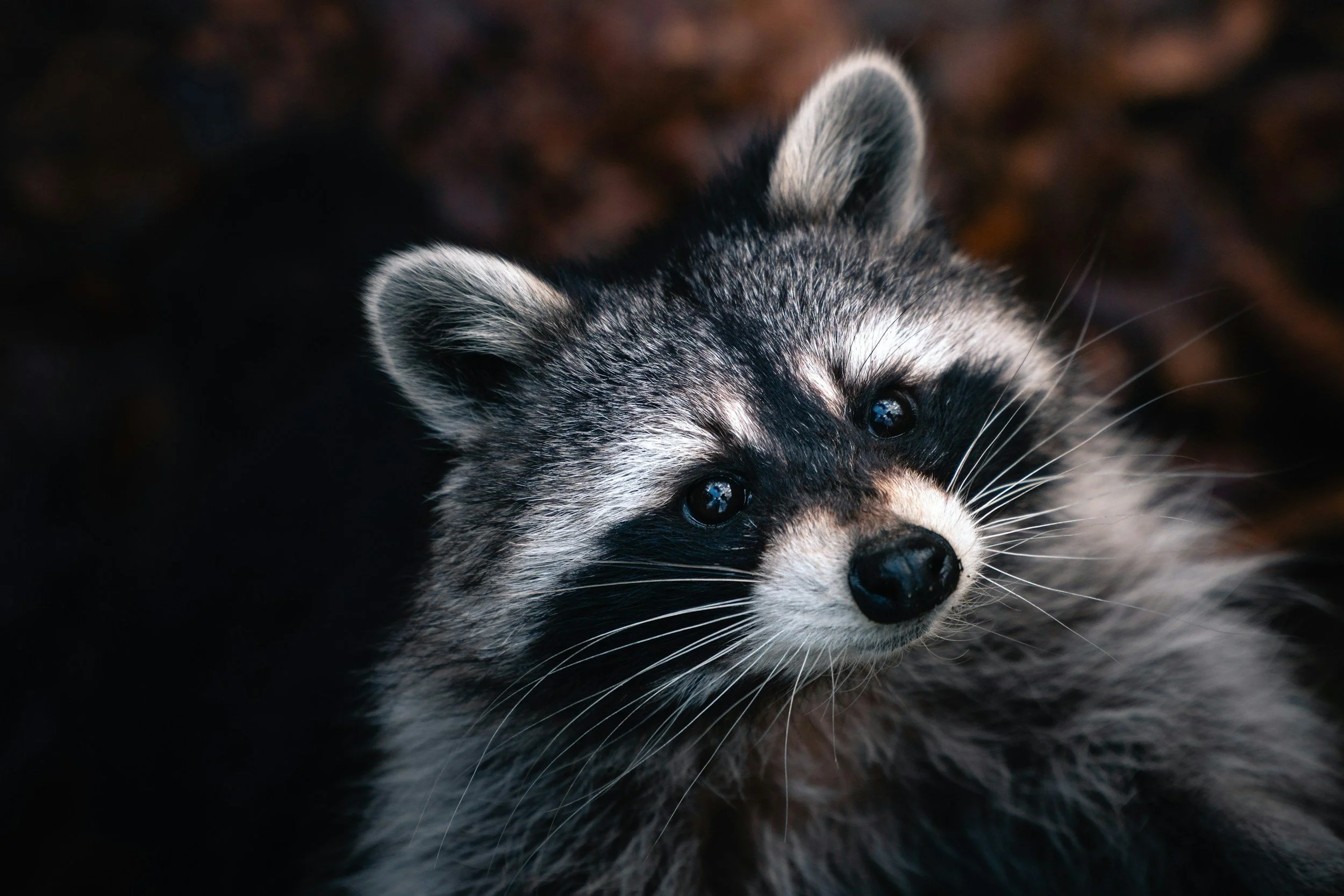
What are the consequences of human-carnivore interactions for wildlife and people?
We are using surveys to understand how human-carnivore interactions affect human behavior. We are also examining raccoon genetics and health in conflict-prone areas.